Election 2016 Cartoons

Untitled Cartoon by Morgan McCaffity, Patterson Press

“How the Government Should Be” (Cartoon by Christian Pietrowski)

Untitled Cartoon by Morgan McCaffity, Patterson Press

Untitled Cartoon by Morgan McCaffity, Patterson Press
“How the Government Should Be” (Cartoon by Christian Pietrowski)
Untitled Cartoon by Morgan McCaffity, Patterson Press

The Patterson Garden.
(Photo: Mikal McCoy)
By Mikal McCoy
Ms. Steigner and Ms. Scott are working together with students at Patterson High School to develop a ongoing gardening club. It is their hope that this gardening club will impact students’ lives in a variety of ways.
The Patterson High School garden was first created during the summer of 2011, around the time period when Mr. Benton became principal of Patterson High School. Using two grants, a hoop-house was added in 2013. In the past, students and teachers have worked on the garden. However, during the summer of 2016, little attention was paid toward the school garden. To get things back on track, students and teachers at Patterson High School are developing a gardening club.
Having a school gardening club is a goal Patterson’s Student Government Association (SGA), is pushing to reach. One of the problems we face today here at Patterson is that some students want to learn gardening while others do not.
In response to the question, “If there was a gardening club at Patterson, would you join?”, T. Moore, a student from Patterson, responded saying, “No, I don’t think I would be interested’.’ Although some students have no interest in joining a gardening club, others think it’s a great idea, ”If you grow food, you can save money and it looks good”, says M. Adams, an intern from Morgan State University.
Around the world, a large number of people believe eating healthy can improve our mental, physical and spiritual environment. Ms.Scott, an ESOL teacher at Patterson, believes students should eat healthy because eating healthy helps a person focus in class. “When you eat healthy foods, your brain responds to the ingredients like a car reacts to gas. If you put the right gas into the car it will perform to its highest potential”, explained Ms.Scott. In the past, Patterson’s garden has produced large quantities of quality vegetables such as strawberries and tomatoes, which students have eaten.
Patterson High School is a place where students and teachers can grow food and eat healthy. Patterson’s gardening club is dedicated to teaching, growing, and providing healthy foods for the surrounding community. Ausar Mesh, a teacher on healthy living, gave a few words to share: “Urban farming may not be the solution to all the problems in the inner cities across America; however it’s a prerequisite to the achievement of practical solution of the most faceted issues. Food sovereignty in urban neighborhoods and global climate change into connected sustainable organic urban farming is a low industry that is ambitions enough to tackle both issues on a micro and macro economic level”.
The gardening club will teach students useful skills and contribute to a healthier community. To get involved, see Ms. Steigner in Room 113.

A stand from the community Fair (Photo: Patterson Press)
By Mikal McCoy,
Patterson High School had its 6th annual Back to School Night and Community Fair on the evening of September 22, 2016. Students, teachers and family members met together in the cafeteria to share a night of fun.
During the fair, there were games, activities and food. “It was a lot of food, a lot of chicken, vegetables and drinks”, said Yero Goloco, a student who attended the fair. For entertainment, different activities were planned. Students who were asked agreed that the fair was entertaining. “There was a lady belly dancing, people played drums, and there was a dance battle”, said Amadou Bah, another student who attended the fair. These responses reveal that people enjoyed the food and activities, but the Community Fair served other purposes as well.
Many families attended the fair. Students from Patterson High School invited their parents, friends, and relatives. Around 500 people attended the event. Dozens of community organizations, businesses and universities participated in the fair, along with many school groups and programs such as Robotics, Gardening, Coding Club and more. Each club had a stand with representatives who spoke with students and family members about what they do.
One group that attended the Community Fair was Patterson’s AFJROTC program. Cadets who attended the event helped out with setting up and seating visitors. “I was standing outside, greeting people, giving them their tickets for their sheets”, explained Abdullah, one of the cadets. Teachers, students and family members came together to make the Community Fair a success.
This year marked the 6th consecutive year that there has been a community fair event at Patterson. Ms. O’Brien and Mr. Alukwu started the event in 2011. “It was an idea that Mr. Alukwu and I came up with the summer before Mr. Benton became the principal”, recalled Ms. O’Brien. It takes planning, organization, and thought to come up with an idea like a school community fair and make it work. This year’s event was no exception.
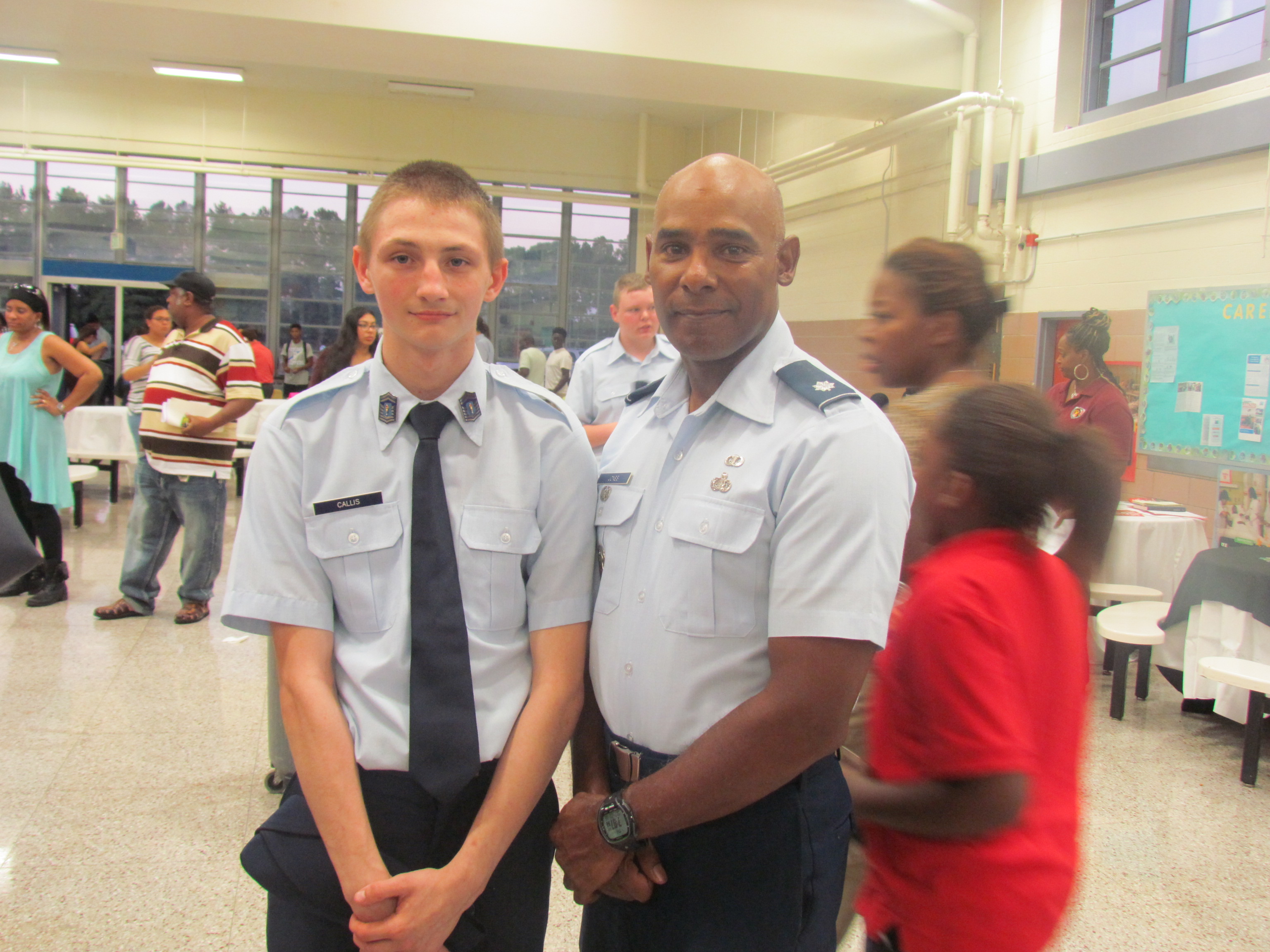


(Photo: Patterson press)
Escrito por Angela Rivas,

September is Childhood Cancer Awareness month.
(Photo: http://www.charlottemomsblog.com)
By Dabria Brown,
Childhood cancer is a big problem in our country. Childhood cancers are often the result of DNA changes in cells that take place very early in life. According to the American Cancer Society, “1 in 258 young people will be diagnosed with cancer by the time they turn 20. Because childhood cancers are rare, there are no widely recommended screening tests to look for cancer in children who are not at increased risk”. The American Cancer Society also said, “Less than 5% of federal funding for cancer research is dedicated to childhood cancers each year”.
The American Cancer Society takes a comprehensive approach to childhood cancer through funding research, advocating for policies that advance the childhood cancer agenda and improve access to quality care, providing support for patients and their families. The American Cancer Society has many resources to help families understand and cope with a cancer diagnosis in their child. Cancer is bad enough, but when it affects a child it is particularly devastating. Kids deserve a chance to experience life–to laugh and have fun, to be amazed and to dream, to grow.
One thing people can do to help solve this problem is making a donation. Your generous gift will support the gold standard in childhood cancer research. Its the simplest way to keep the research going. One way you can donate is by going to https://shop.stjude.org . Another way you can help is by sending cards to children suffering from cancer. Doing these things can make a difference in a child’s life, or even save someone’s life.

ESOL Students siting separate from English speaking students in a World history class. (Photo: Sartre Ndebaneza)
By Sartre Ndebaneza,
Patterson High School is well known for its diversity of students from around the world. But students have developed a skeptical attitude toward each other which causes an strained relationship. ESOL students claim that they feel uncomfortable when they are with their classmates who are “English speakers”.
Mr. Tola is a teacher at Patterson High school. He has been a teacher since 2010. He used to teach English, History and United States Government and other ESOL programs. Mr. Tola has unveiled the beauty of Patterson students. According to Mr. Tola, “I think generally Patterson students are friendly and want to make new friends.” But a group of ESOL students I have talked with state that they feel apprehensive about going home in the same bus with their English speaking classmates because some of these students insult and bully them. One of them added that, “I don’t like to take class on the second floor,” referring to the fact that the second floor is where the English speaking students attend class.
Many teachers seem to believe that there has been a lot improvement on the issue of bullying at Patterson. Mr. Tola has said that, “we use to have that problem (bullying) here at Patterson” but that it is no longer as big of a problem as it once was. He explained that it was largely due to miscommunication. The English speaking students wanted to learn more about the culture of the ESOL students but did not know how to obtain this information. This led to anger and misconduct. To restore a friendly relationship between the English speaking and the ESOL students and to help ESOL students feel welcome in the community, Mr. Tola suggests that all students join and participate in certain groups, such as PGC and the Refugee Youth Project (RYP), that connect students from different backgrounds. He also has encouraged all of the teachers to put their hearts and souls into making things better at Patterson.

Students practicing chess after school (Photo: Amadou Bah)
By Amadou Bah,
Chess Club is back again. You can sign up in Room 216, Thursdays only. Newcomers are welcome. The goal is to build a chess team that can be competitive against students from other high schools.
Mr. Tola, the founder and main faculty advisor of the Chess Club started playing chess when he was seven years old. He didn’t master chess until eight years of age. Magnus Carlsen and Garry Kasparov, two of the greatest chess players in the world, inspired Mr. Tola. Then, in 5th grade, he completely stopped playing.
He started playing chess again when he began teaching here at Patterson. He often plays chess more in school than any other place. He doesn’t get easily distracted. “It doesn’t matter where I play chess; I can handle the background noise” Mr. Tola told the Patterson Press. One reason why he started the chess club was that he wanted Patterson students to enter into championships. The purpose of the chess club is to help students develop good strategic thinking. Chess is considered to be a strategy game. When you’re playing chess, you have to think before moving a piece. In order to win the game you must have a better plan then your opponent. “The more you practice, the more you’ll become better”, Mr. Tola said. Anyone can sign up and the Chess Club will teach you how to play.

Mr. Tola, faculty advisor of the Chess Club (Photo: Amadou Bah)

Photo from Wall Street Journal
By Jessica Branch,
All teenagers make stupid mistakes that one day they may look back at and laugh. But then there are some mistakes that can’t be undone and some become detrimental. Studies have found that it’s not the case that some teenagers don’t always think about a situation they may be involved in; they just can’t always come to a clear decision like adults can.
Just think of it like this: If you’re on a diet and see a slice of pepperoni pizza, are you more likely to just glance at the pizza before eating it or stop and think about the pros and cons?
You can think of it the same way as a teenager. Our brains don’t move fast as adults. They don’t fully form everything we should take into consideration and we tend to just look at what we’re getting out of the situation that would be “fun”. Teens take an average of 170 milliseconds longer to go over the consequences of a decision, which in turn makes them more likely to decide the risk is worth it. For more information about this, go to:http://www.telegraph.co.uk/news/health/children/11739219/Revealed-Inside-the-mind-of-a-teenager.html
It’s okay to make mistakes when you’re a teenager but you have to start thinking outside the box when you’re an adult. Some teenagers don’t realize that since their brains aren’t fully functioned like adults, that they can start now by making good decisions to get their minds processed and functioned like adults and it wouldn’t be as hard if they tried later.
It’s okay to make great decisions because great decisions form you into a great person. So the next time you’re stuck between choosing your diet and that slice of pepperoni pizza, choose the right thing.
Here are the cover pages and inside spreads from all of the winners of the Patterson bookbinding contest. More information is available on the front page of the May 2016 print edition of the Patterson Press.
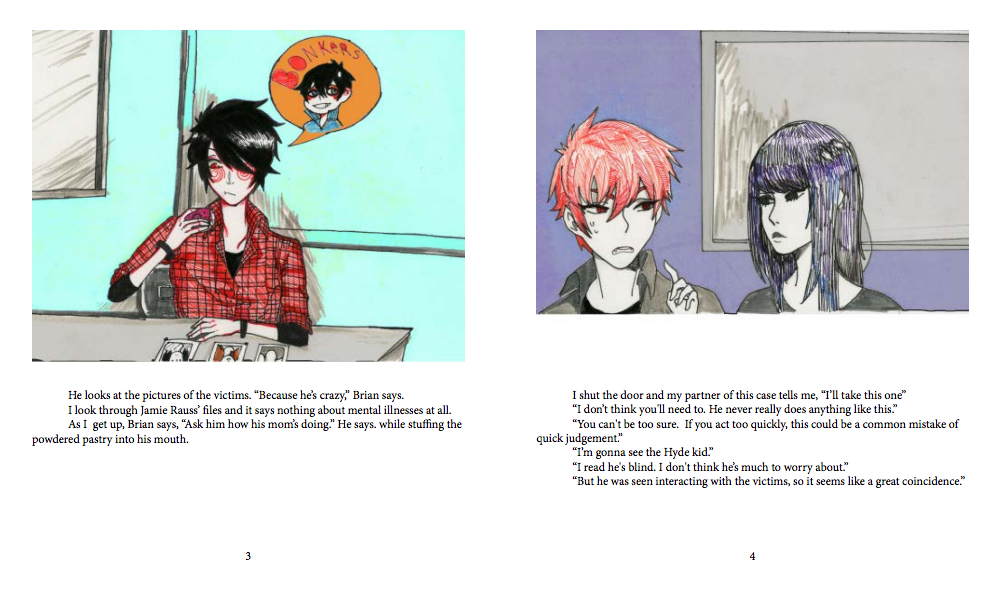
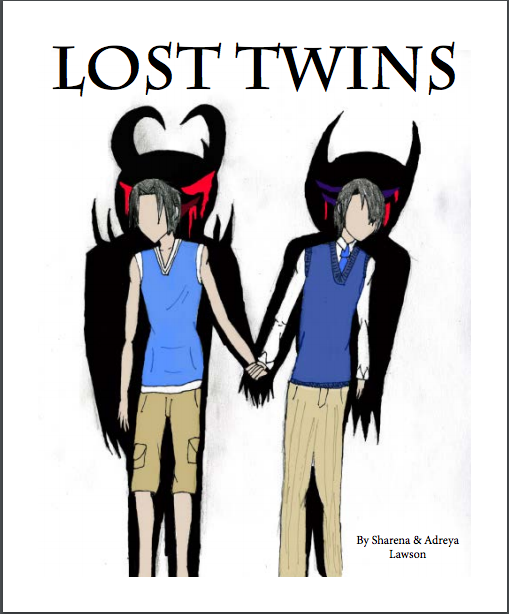
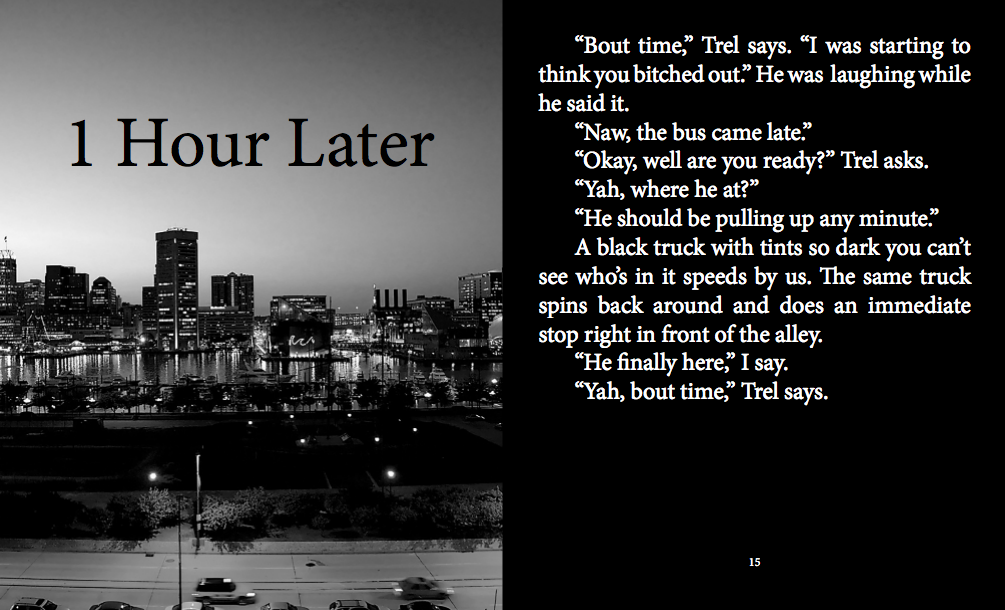

by Ms. Kirsch,
Public Health Advisory!
A serious, seasonal disease is sweeping Patterson High School, and staff and students should be on alert. The disease, known colloquially as “Senioritis,” attacks the central nervous system often causing those affected to act erratically and illogically.
Symptoms include listlessness, red eyes, angry outbursts, inability to take responsibility for ones own actions and putting off for tomorrow what could be done today.
While the disease effects Seniors at a much higher rate, it is so highly contagious that no one is completely safe. Juniors are particularly susceptible to contamination in the late Spring, as we bid Farewell to the Seniors and the Juniors rise to fill their shoes. In this instance, the disease is most serious, since Juniors’ last quarter grades can mean the difference between acceptance to their dream college or flat, cold rejection.
Indeed, even faculty and staff are not completely immune. Since Senioritis is not viral, it can be contracted multiple times. Therefor, teachers who suffered through Senioritis in their own school days can be reinfected through contact with current Seniors. Symptoms manifest slightly differently in adults, and affected teachers may be found to suffer from crashing headaches, inadvertent rolling of the eyes, and the overwhelming urge not to work harder than their students.
The best protection is long-term goal setting and focus on those goals. When students can keep their minds set on their future, it is easier to maintain a state of health during those last few months of school.
 pattersonpress.org