
Breaking down school funding: Where does the money go?
by Wilfredo Portillo
Funding public education is a crucial responsibility shared across state, federal and local governments. But how exactly is this money distributed, and where does it go? Here’s a closer look at the intricacies of school funding and how it impacts teachers, students and programs.
Public schools receive their funding from three primary sources: state funding, federal funding and local government contribution. Each source plays a vital role in ensuring schools have the resources they need to function effectively.
According to Patterson’s business manager, Mr. Cox, approximately 85% of school funding is allocated to paying the salaries of teachers and staff, along with health insurance and other related expenses. healthcare The remaining 15% is distributed across several categories. Some of it is spent on classroom materials and other necessities required to maintain daily operations, while the rest goes toward funding other priorities, including arts programs and extracurricular activities such as athletics, clubs, and field trips. These programs provide students with opportunities beyond academics, fostering personal growth and teamwork. The school district oversees the funding for school lunch programs, ensuring that students across different schools have access to meals.
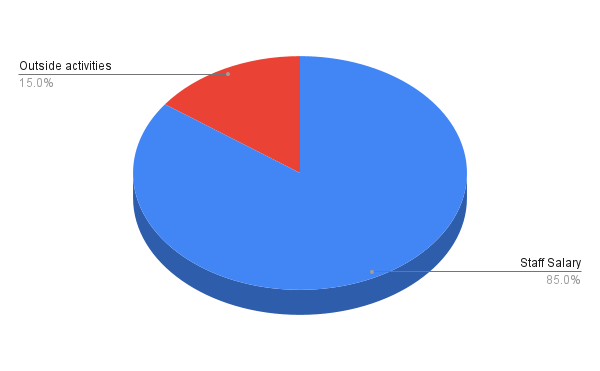
As schools prepare to receive additional funding later in the school year, there is a clear focus on addressing the pressing issues and improving student outcomes with key priorities being recruiting and retaining high quality diverse educators, supporting mental health initiatives for students, improving attendance rates, reducing dropouts, accelerating literacy and math achievements, and providing students with a well rounded education.
Based on the budget forum that was held in December 2024, there appear to be no major controversies surrounding the distribution of school funding. Most outside activities and extracurricular programs are funded equitably, with small percentages drawn from federal funding to support their cost. Additionally school districts and various agencies work collaboratively to manage and allocate these funds efficiently.
The distribution of school funding plays a pivotal role in shaping the quality of education and opportunities provided to students. While the majority of funds go towards staffing and essentials, efforts are being made to address evolving needs, such as mental health support and literacy improvement. With future priorities focused on equity, readiness and innovation, school funding remains a vital tool in preparing students for success.

 pattersonpress.org