Tag Archives: CTE

EMT pathway provides career opportunities

Photo: Baltimore City Public Schools

by Breon Thacker

One of the many career pathways students can choose at Patterson High School is the Emergency Medical Technician (EMT) pathway.

“I enjoy giving students the opportunity to have a good career”, said Mr. Casey, the EMT teacher.

Mr. Casey has been teaching EMT classes for 13 years now. His main focus is to help students gain opportunities to do what he loves to do.

The Patterson EMT program has been around for 10+ years. The program trains and teaches cadets (students) things that happen in the field and in real life situations. 

The Program provides great opportunities for students when they get out of high school, such as getting a job right after graduation.

“When you get out of high school, you can become EMTs or you can go to community college.”, explained Mr. Casey.

There are opportunities for students to volunteer in the summertime at their local firehouses, providing them with different work experiences.

The EMT program is a great option for students who want to go into the field as an emergency healthcare provider or have the drive to help others and want to be a difference maker.

Students reflect on Teacher Academy experience

Editor’s Note: What follows are reflections from two graduating seniors who participated in Patterson’s Teacher Academy of Maryland (TAM) CTE Pathway. We were not able to include these in the May 2024 print edition of the Patterson Press but we present them to you here:


In the program, I learned many things. I progressed in my learning skills and people skills. Before, I was quiet, not really an interactive person, but the program helped me out of my comfort zone to succeed further in everyday life. This program expands my education to have a positive effect on my life. It showed me very important lessons. The T.A.M. program teaches you how to be a teacher and the ways to be a successful one. Being with my mentor (Mr. Baron) was a great experience. He let me in on key things when teaching and he helped me to really interact with students as if I was a teacher. This let me see a different perspective. Enjoy the T.A.M. pathway–It will be a great experience!
-Iyanna Jenkins – Internship TAM program, Cohort 2024


My experience being at the pathway Teacher Academy of Maryland has been wonderful. I have learned very nice things and I have also overcome some of my fears in grade ten. I learned all the wonderful things about child development. Throughout this year I have overcome one of my biggest fears, which is to be speaking in front of people I don’t know. The most difficult thing is learning how to teach like a professional, but Ms. Sanchez has helped me and she has has also given me the example of how to do it at the same time. Just like my mentor: he has been patient
with me and I have learned a lot in his class because his class is in Spanish, my first language, and I feel good learning too. And of course I am going to recommend this pathway to my friends because it is very nice to learn so many things.
-Nesly Oliva, Cohort 2024

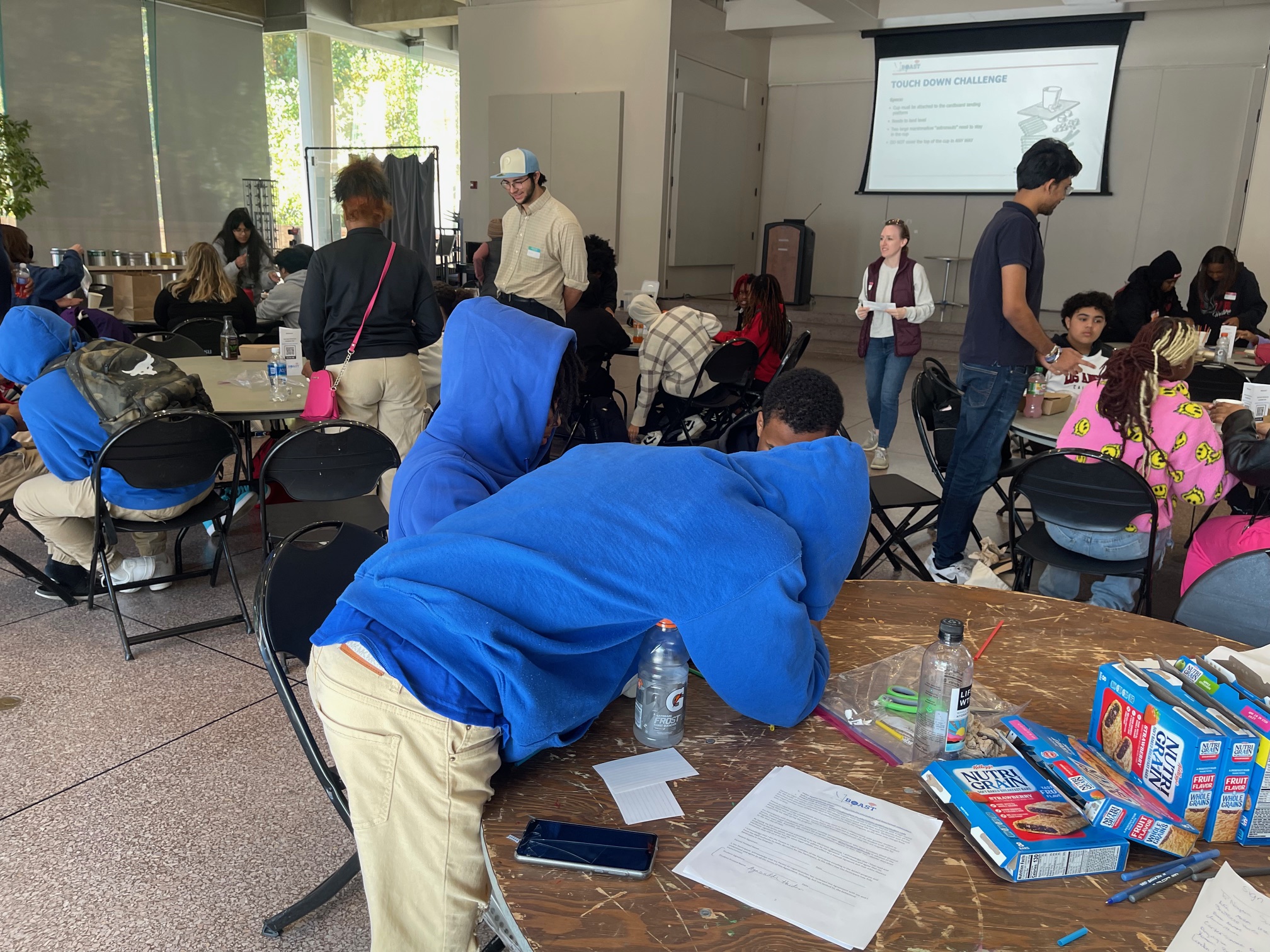
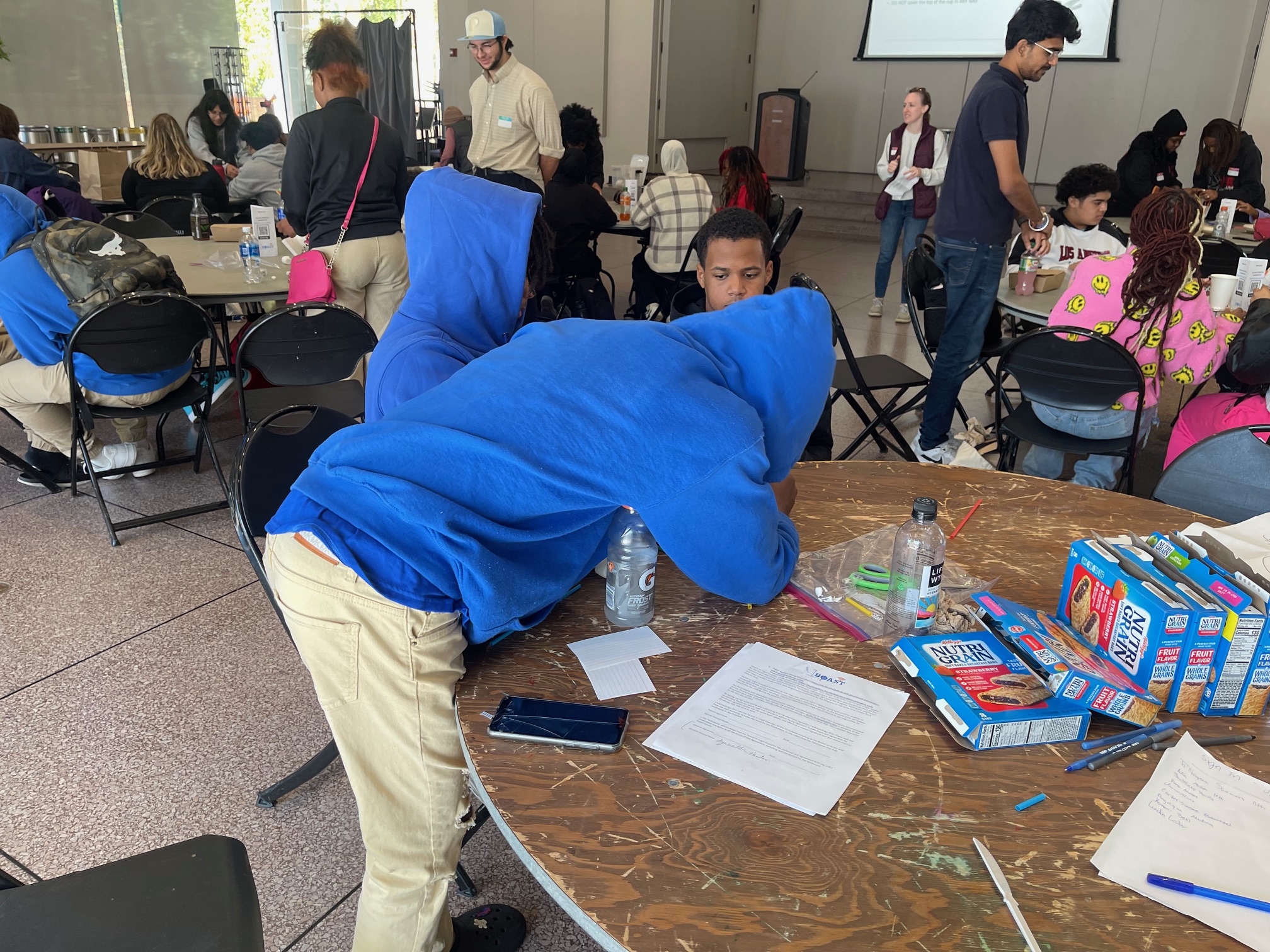
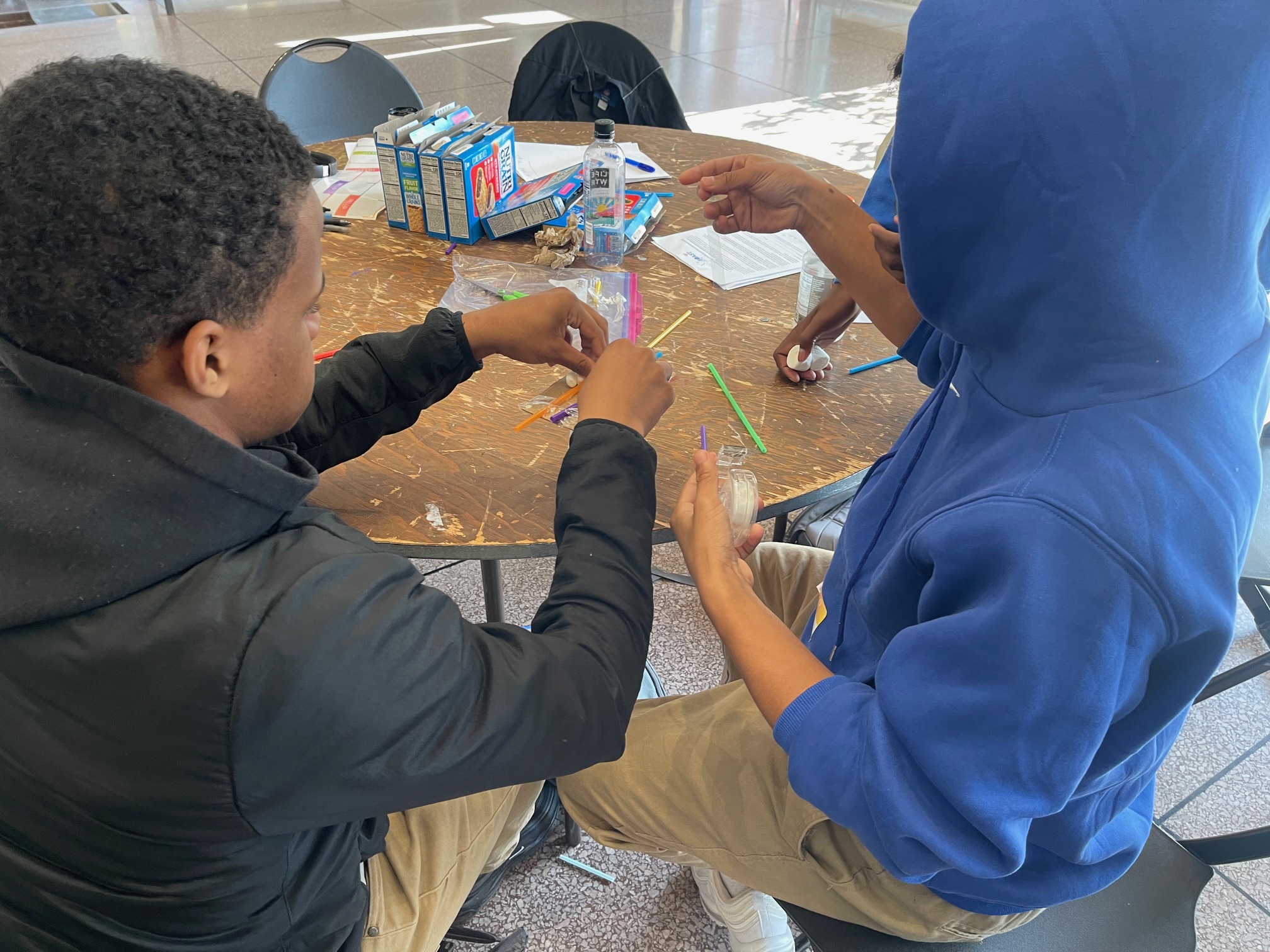
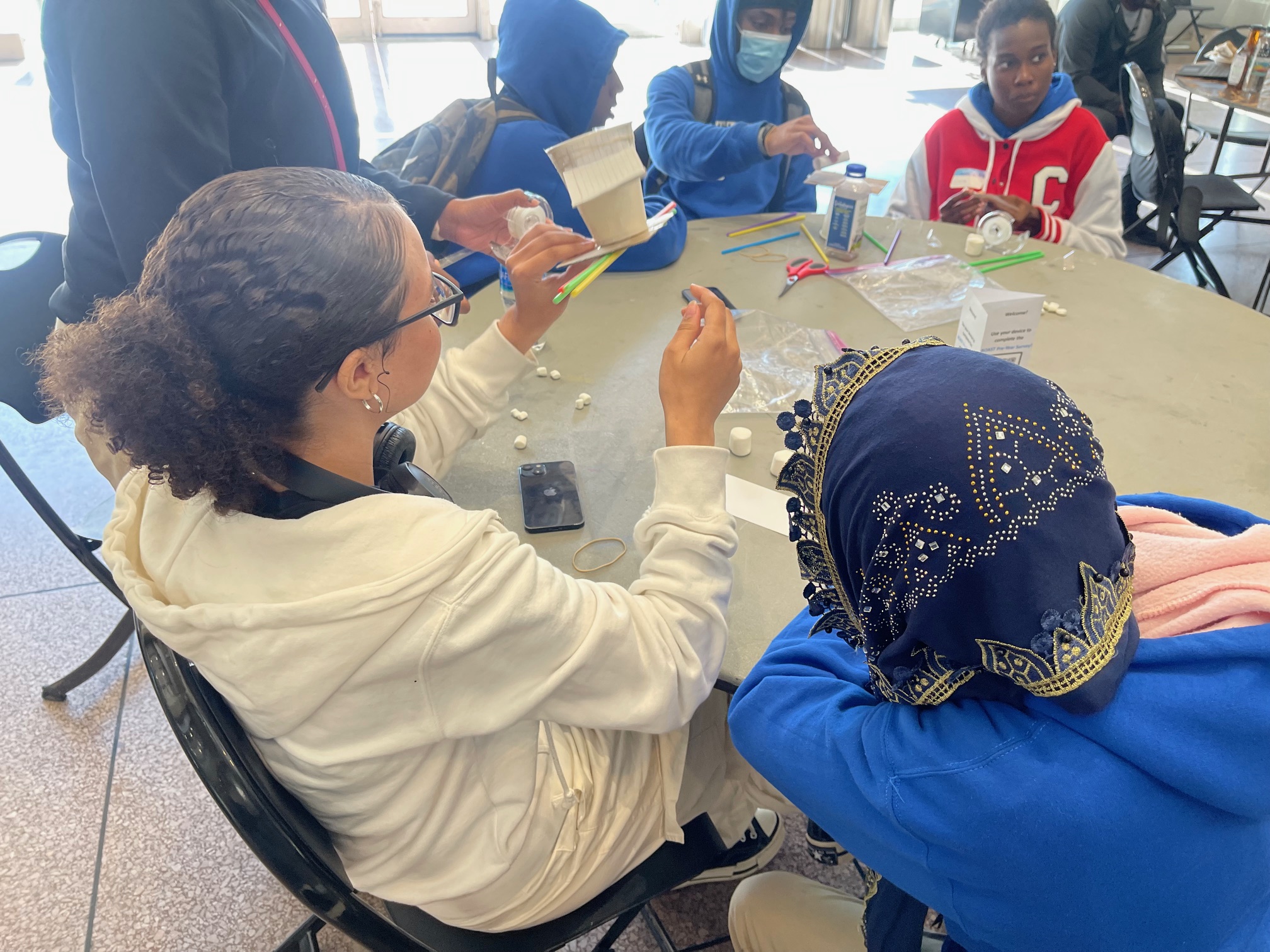
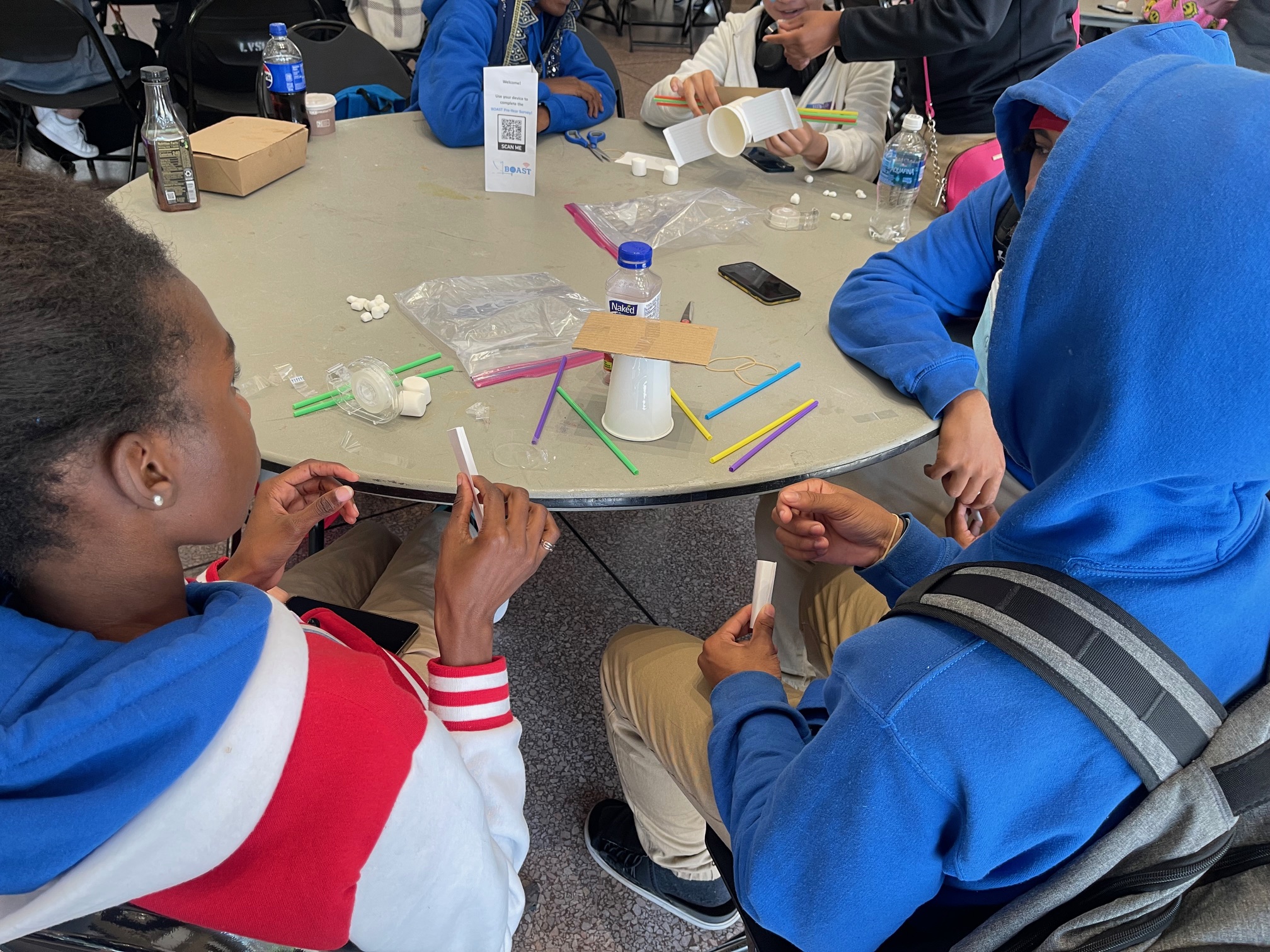
BOAST applies STEM skills to real life problems

by Kenneth Dorsey, BOAST Program Participant

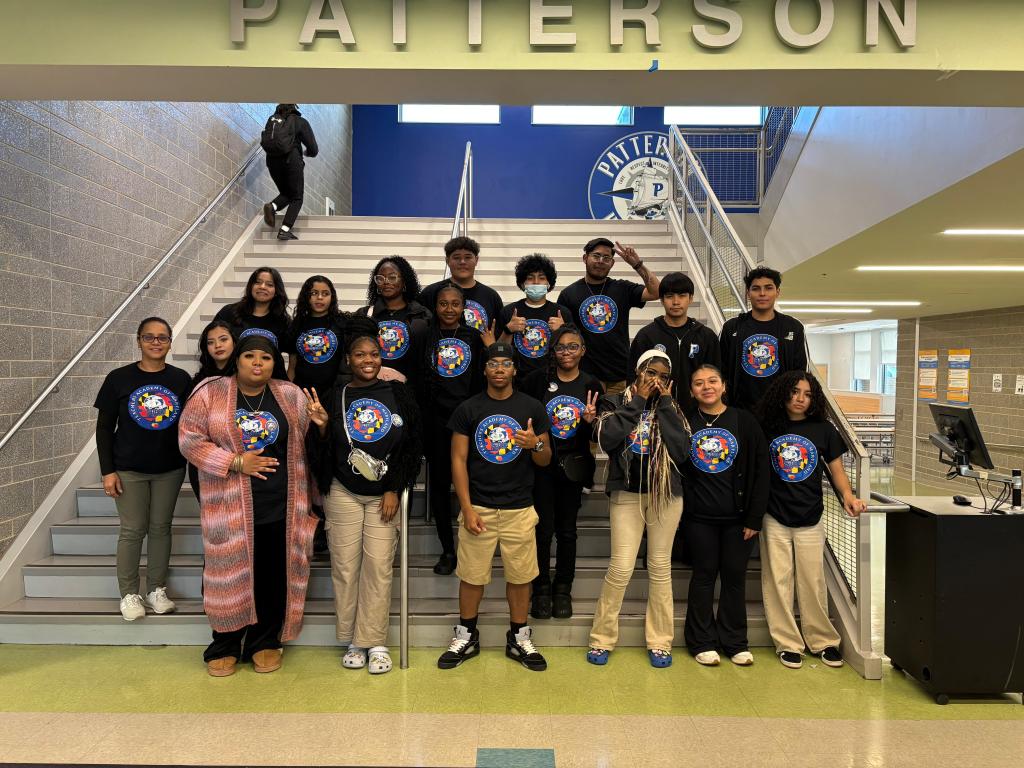
BOAST stands for Baltimore Online Algebra for Students in Technology. It is a free, after school program for students who are interested in STEM fields and careers and want to apply their Math skills to solving real world challenges. It is part of  a research study by Johns Hopkins.

Mr. Tiras is the in school representative for this program. Students in the BOAST program meet every Monday after school in Room 334. The program spans one school year, and students enrolled engage in many different engineering fields including:

  • Optical Engineering
  • Mechanical Engineering
  • Electrical Engineering
  • Biomedical engineering

This school year, BOAST went on two field trips to Johns Hopkins University. On the first trip, we went over an introduction of the program. This was where we got to meet our assigned Johns Hopkins representative–the person who guides us through the BOAST curriculum.

The Hopkins representative that Patterson students were assigned was named Mr. Kohlbatz. He not only connected with us on an academic level, but on a personal level as well. He felt more like a friend than a teacher. He shared information about his personal life and academic background with us. This encouraged us to be more engaged with the work.

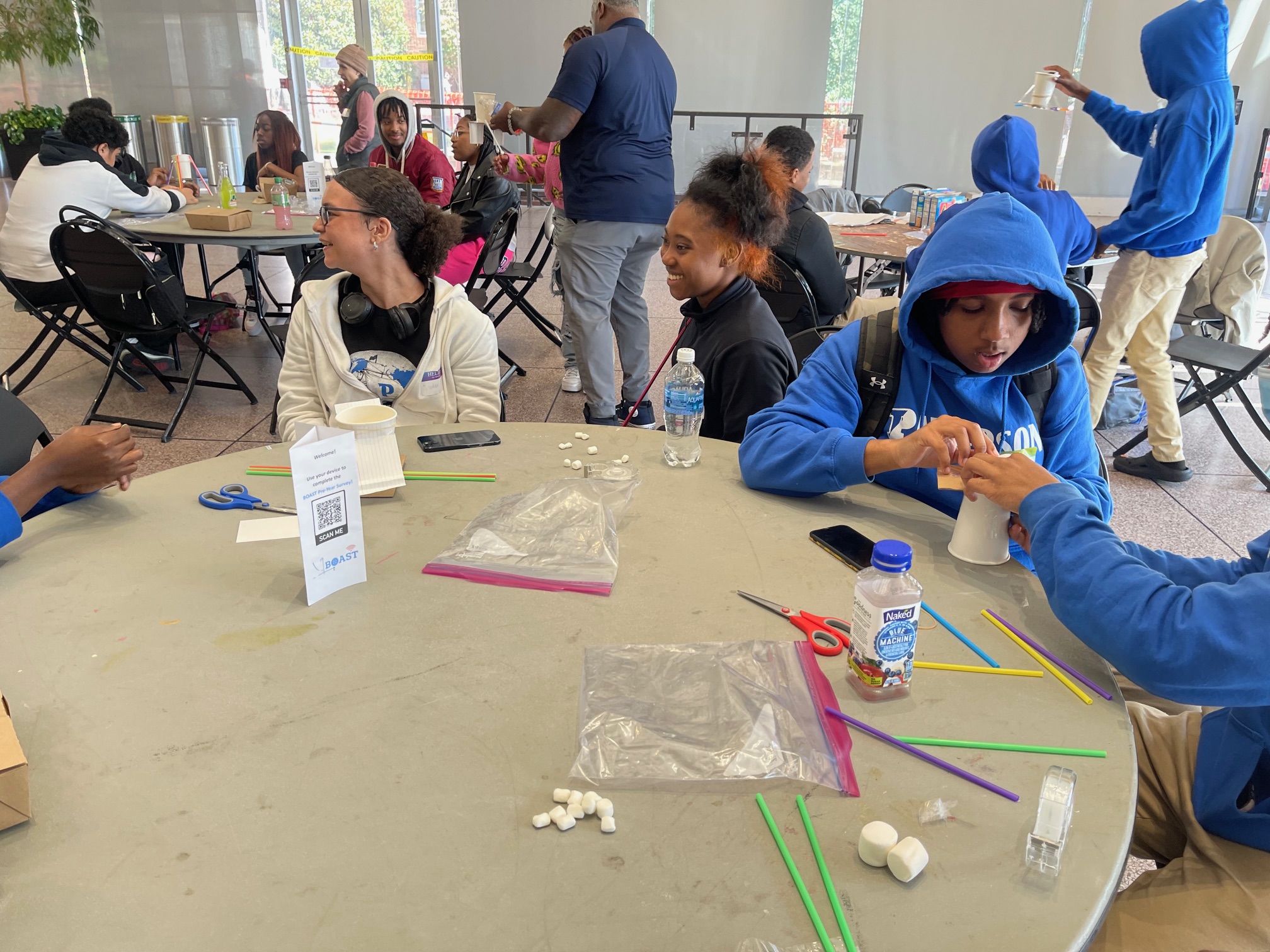
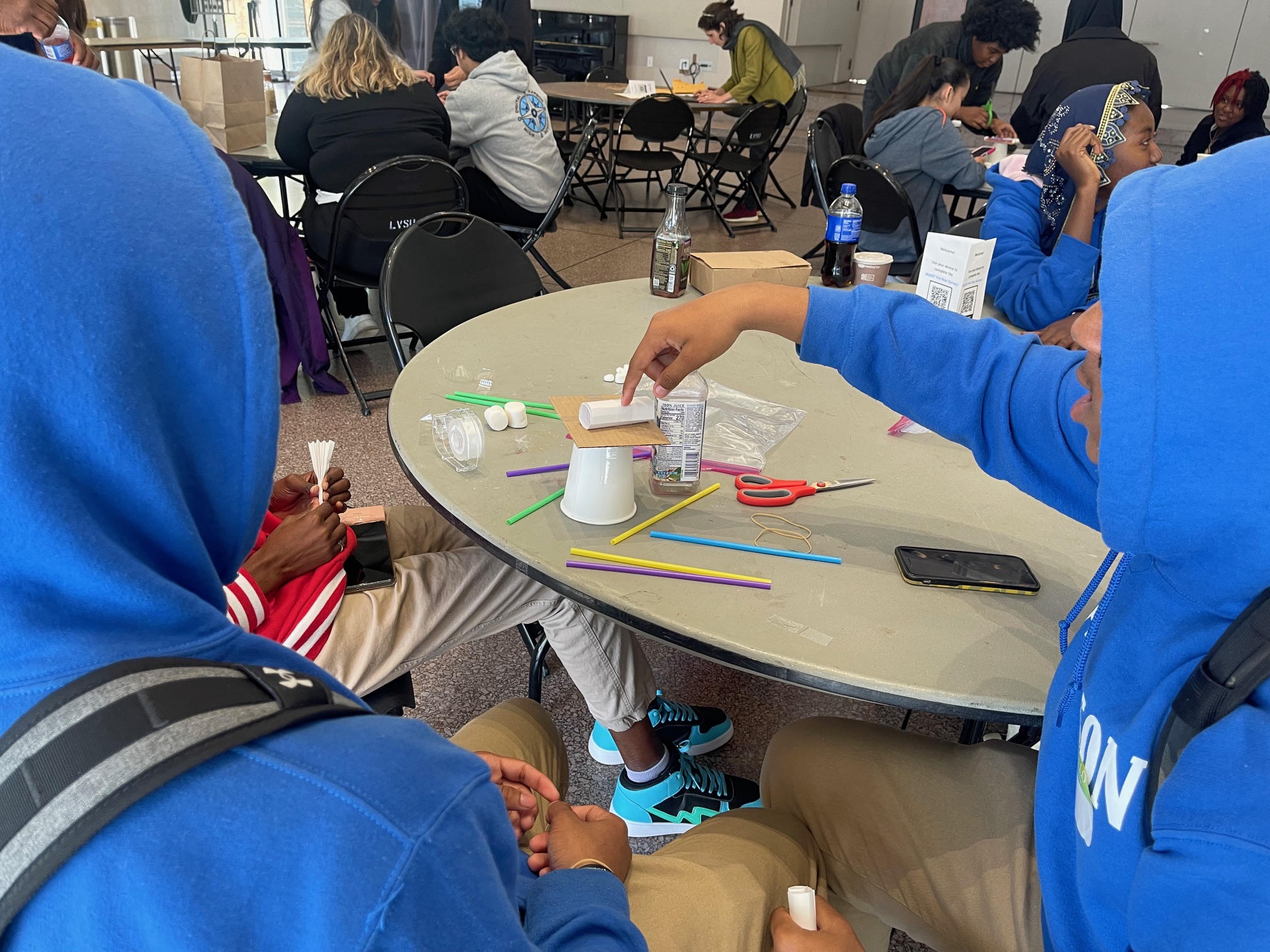
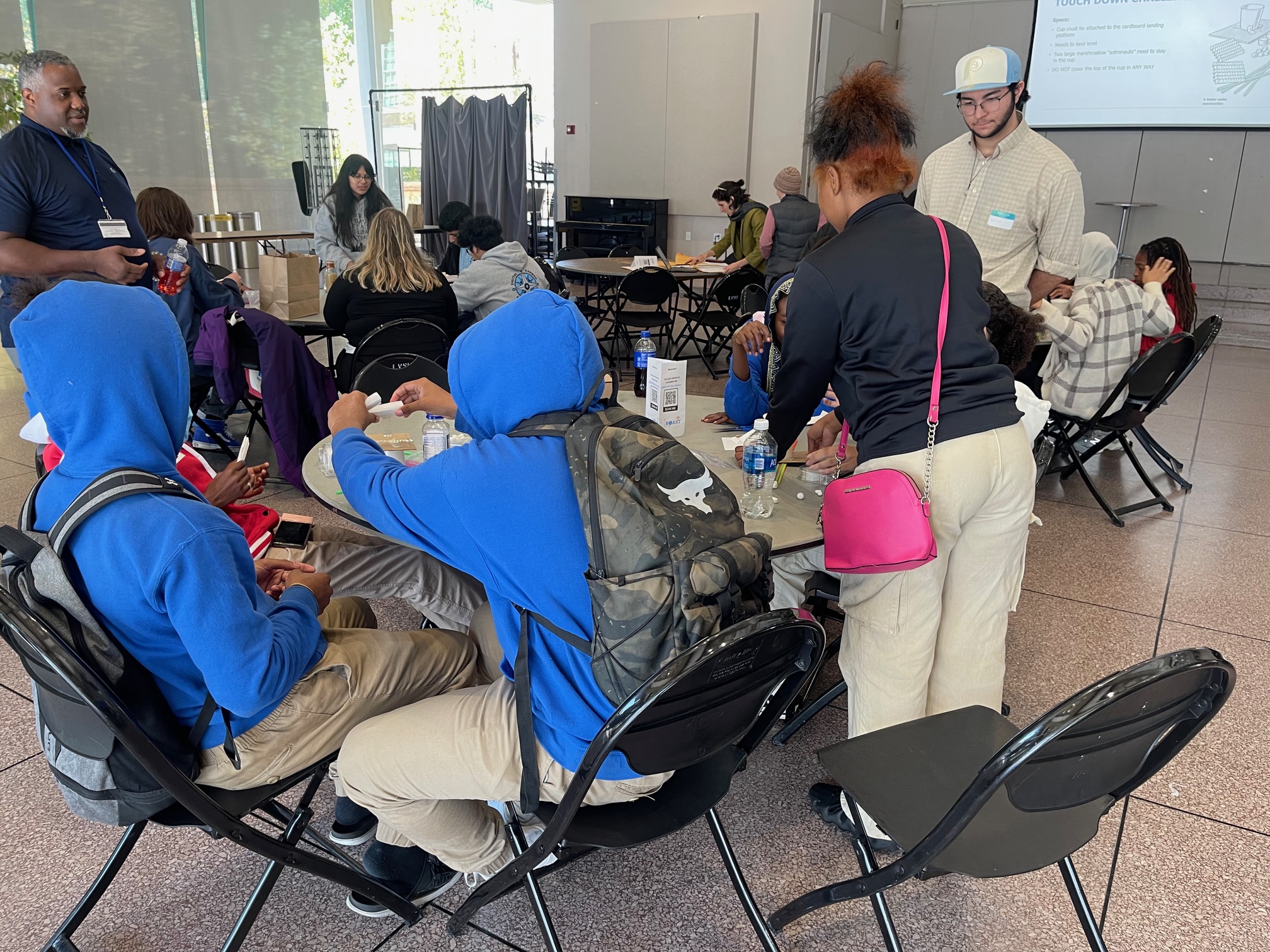
On the second trip, we met up back at the University and participated in a competition with the other BOAST teams. The focus of the competition was on acoustical engineering. The objective was to make a soundproofing box that could block specific decibel levels. Patterson didn’t win, but we tried our best.

The competition entailed 5 short stages or missions, which were made to be beginner friendly:

Mission 1: BOAST Introduction

¨You and your team of BOAST engineers are applying to be part of the Readiness Taskforce charged with protecting the Baltimore area from alien lifeforms. In your first Mission, familiarize yourselves with the platform used by the Taskforce. Then create an avatar to describe yourself and pitch your engineering team to the city officials looking to hire.¨

Mission 2: Technical Rescue

“The James Webb Space Telescope detects an asteroid leaving the Starfish Galaxy and heading towards Earth. As the asteroid moves closer to Earth, smaller meteoroids crash down in the Baltimore area, blocking the main roads entering the city. Use your knowledge of mechanical advantage and pulleys to design a pulley system that will allow crews to move the meteoroid debris and unblock the road.”

Mission 3: Machine Learning

“Just as things seem to be calming down, more space debris slams into a network of satellites used to gather data for weather forecasts! Using machine learning tools and the K-Nearest Neighbor technique develop a program that can accurately predict precipitation based on historical weather data collected by the National Oceanic and Atmospheric Association.”

Mission 4: Soundproofing

“The meteorites’ energy is causing high frequency sounds. To protect critical operations of Baltimore area institutions from the sound disruptions, city leaders call for engineering teams to develop a soundproofing device. A competition will determine the design implemented in the city. Jump into the research about sound waves and develop a soundproofing device prototype.¨ 

Mission 5: Business optimization

“Continued weather and public safety disruptions caused by the meteorites mean school is often remote, and students need the ability to learn from home and school. Your soundproofing prototype got the attention of an eccentric billionaire and she offers you a substantial grant to kickstart a business to provide at-home and classroom STEM lab kits. Make a business plan to show cost optimization and profitability predictions so you can receive the funding.”

If you’re looking to get into the engineering or medical fields, BOAST is a great option for you. It not only allows you to network with Johns Hopkins University (which is known for its engineering and medical accomplishments), but it also allows you to get a jump start in the world of engineering. Most importantly, upon completion of the program in May, they give you a college recommendation letter. So if you’re looking to go to college and want an extra credential on your resume, Join BOAST.

(Photos by Mr. Tiras)

JROTC teaches leadership skills

by Gabriela Hernandez-Guzman

JROTC (Junior Reserve Officers’ Training Corps), is a program offered by high schools in the United States that focuses on leadership, citizenship, character development, and military skills training. It provides students with opportunities to develop leadership qualities and learn about the importance of service to their community and country.

When Lieutenant Colonel Bill York first became an instructor for JROTC at Patterson High, it was the fulfillment of a longtime dream of his.

“I always wanted to teach”, Lt. Col. York reflected, explaining that JROTC Journey has been the most rewarding job he has ever had in his life.

Lt. Col. York’s best experience teaching JROTC was “the visit to the Columbia internship in Baltimore”. His favorite part of JROTC is helping cadets work through the challenges of their day-to-day lives.

JROTC can help students change their decision-making process and get people to view them in a more positive light.

Some activities that JROTC cadets engage in include wearing their blue uniform every Thursday, wearing their Physical Training (PT) uniform every Friday, and doing exercises. They also plan activities such as walking, running, and playing kickball. JROTC has a lot of competitions such as drill competitions, a 5K run, archery, and the “Toughest Team Challenge”.

JROTC helps cadets develop leadership skills by challenging them to push their personal limits through sports like rappelling, and the aforementioned racing and archery. Lt. Col. York states that when students get through basic training they put them in the position to lead.

One of the main benefits of joining JROTC is learning leadership skills in a safe place for all people. The program also provides opportunities for students interested in joining the military. “For the 2-3 years you are in the  programs, you can gain a rank as soon you enter and graduate from basic training.”, Lt. Col. York explained. 

The Junior Reserve Officer Training Corps (JROTC) was established by the National Defense Act of 1916. JROTC’s mission is to motivate young people to be better citizens. JROTC programs include a curriculum that covers a wide range of subjects from military history to leadership skills, and health and wellness. Cadets learn through classroom instruction, physical training, and other activities.

JROTC plays a big role in personal development and ethics. Cadets are taught the importance of honor, courage, and commitment, which are values that they can carry with them throughout their lives. JROTC cadets and students can earn community service learning hours by doing reveille (raising the American flag) and retreat (taking the flag down), and also by participating in the Green Team, collecting recycling outside of the building and inside classrooms. 

JROTC is a high school program that teaches leadership, citizenship, and life skills. It is sponsored by the U.S military and aims to instill discipline, responsibility, and teamwork in students. JROTC is not a recruitment tool but it offers a structured environment for personal development. Additionally, JROTC provides opportunities for scholarships and military education benefits. Participants can engage in community service, drill competitions, and summer camps, enhancing their high school experience and preparing them for future success.

The JROTC curriculum is designed to prepare cadets for success in both military and civilian life by instilling valuable skills, knowledge, and values. It offers a unique educational experience that combines academic rigor with practical training and leadership development.

Editor’s Note: After this article was written, Lt. Col. Bill York shared the following update: “AFJROTC MD-932 has earned the Distinguished Unit Award for AY2023/24. The award recognizes the personal growth and accomplishments of the cadets, contributions of the instructor as a mentor, and the support of the school and local community.”