Category Archives: Technology

AI presents new opportunities and new dangers for schools

by Wilfredo Portillo Quinones

Artificial intelligence (AI) is increasingly being integrated into education. The generative AI interactions that most students are most familiar with involve large language models like Chat GPT, which uses the internet to respond to questions users have and is capable of answering any sort of questions that would normally be asked on Google. A lot of tools have been implemented with AI in order to help students answer questions or understand classwork. It’s also used to help with teaching, which we see a lot now. AI is capable of teaching and helping students who struggle with regular learning. People have mixed feelings about this though. A lot of teachers are afraid of losing their jobs if AI gets too good and replaces them. There is also a concern that AI is negatively impacting learning because it can be used to cheat or take shortcuts instead of taking the time to develop academic skills. Is AI harming education or is it doing a good thing for us?

There are many platforms which are powered in part by AI, including Khan Academy and DreamBox, which adapt lessons to match individual students’ learning speeds and styles. For instance, a math app might adjust the difficulty of problems based on students’ past performances, ensuring they stay challenged but not overwhelmed. Hechingerreport.org states that, “Teachers save time by using AI tools that handle repetitive tasks like grading multiple choice questions, planning lessons, assessing students, grading homework, giving feedback and administrative paperwork.” However, they also say that it doesn’t mean AI is capable of replacing everything teachers do. AI could trim a lot of the work being done so teachers can focus more on helping students learn.

While AI has a lot to offer in this day and age, there are many concerns that we need to take into consideration. One major concern is that students might rely on AI tools or become very dependent on them for answers or learning. That might lead to students not being able to use cognitive skills, critical thinking skills or problem solving skills. If students use AI on homework or for test preparations they won’t be able to use these skills without AI. Another concern is how AI stores information and whether this information is secured, especially with information on many students. With the increase of AI tools people want to make sure their personal information is secure and not at risk of being breached by hackers who might take or use this information for harmful purposes. These concerns need to be taken seriously.

To avoid the misuse of AI or even cheating using AI, students need to be educated on responsible AI use and there should be restrictions on AI usage to safeguard students and to ensure academic honesty. Schools can’t avoid AI tools or AI in general, but responsibility should be taught while using AI.

The pros and cons of social media

by Mirian Maurizaca

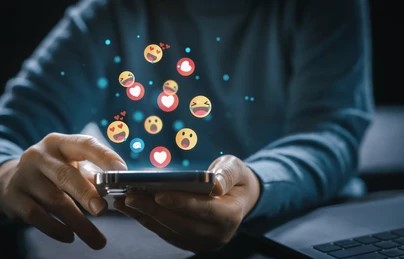
Photo: Shutterstock

Social media can have both positive and negative impacts on high school students. On the positive side, it can help them stay connected with friends, access information quickly, and even find supportive communities. On the negative side, it can lead to distractions, cyberbullying, and privacy issues. It really depends on how it’s used and the guidelines set by parents and schools.

One reason why high school students might be better off without social media is because of the distractions it can cause. Social media can be a major distraction from schoolwork and studying. It’s easy to spend hours scrolling through feeds instead of focusing on homework or studying for exams.

Unfortunately, social media can also be a platform for bullying. Cyberbullying can have serious emotional effects on students. Also, constant exposure to unrealistic images and lifestyles on social media can lead to feelings of anxiety and depression. The pressure to get likes and followers can also contribute to the stress.

Another problem is sharing personal information on social media; it can lead to privacy concerns. Students might not fully understand the consequences of sharing too much information online. Social media can be addictive. Students might find it hard to disconnect, leading to too much use that can interfere with their daily lives and responsibilities. The use of social media, especially right before bed, can interfere with sleep patterns, leading to a lack of sleep which can affect your school life and overall health.

While there are risks, with proper guidance and responsible use, social media can offer benefits to high school students.

One reason why high school students might benefit from having social media is that social media allows students to stay in touch with friends and family, especially if they move or go to different schools. Interacting on social media can help students develop communication skills. They learn to express themselves, debate, and share ideas in a public setting. It can help maintain relationships and build new ones. Platforms like Instagram, TikTok, and YouTube allow students to express their creativity through photos, videos, and other content. This can be a great outlet for self-expression and even finding a career.

There are also educational resources on social media. Many educational pages and groups on social media platforms can provide valuable information, study tips, and resources. Students can join groups related to their interests or subjects they are studying. Social media can offer support groups for various issues, whether it’s school related stress, mental health, or personal interests. These networks can provide a community and support for those who need it.

Social media is a powerful tool for raising awareness about important issues. Students can become more informed about events happening around us and it helps them make their voices heard on issues they care about. Social media can open doors to opportunities that students might otherwise miss out on. 

It’s important to consider these factors and weigh the pros and cons when deciding whether high school students should have access to social media.

BOAST applies STEM skills to real life problems

by Kenneth Dorsey, BOAST Program Participant

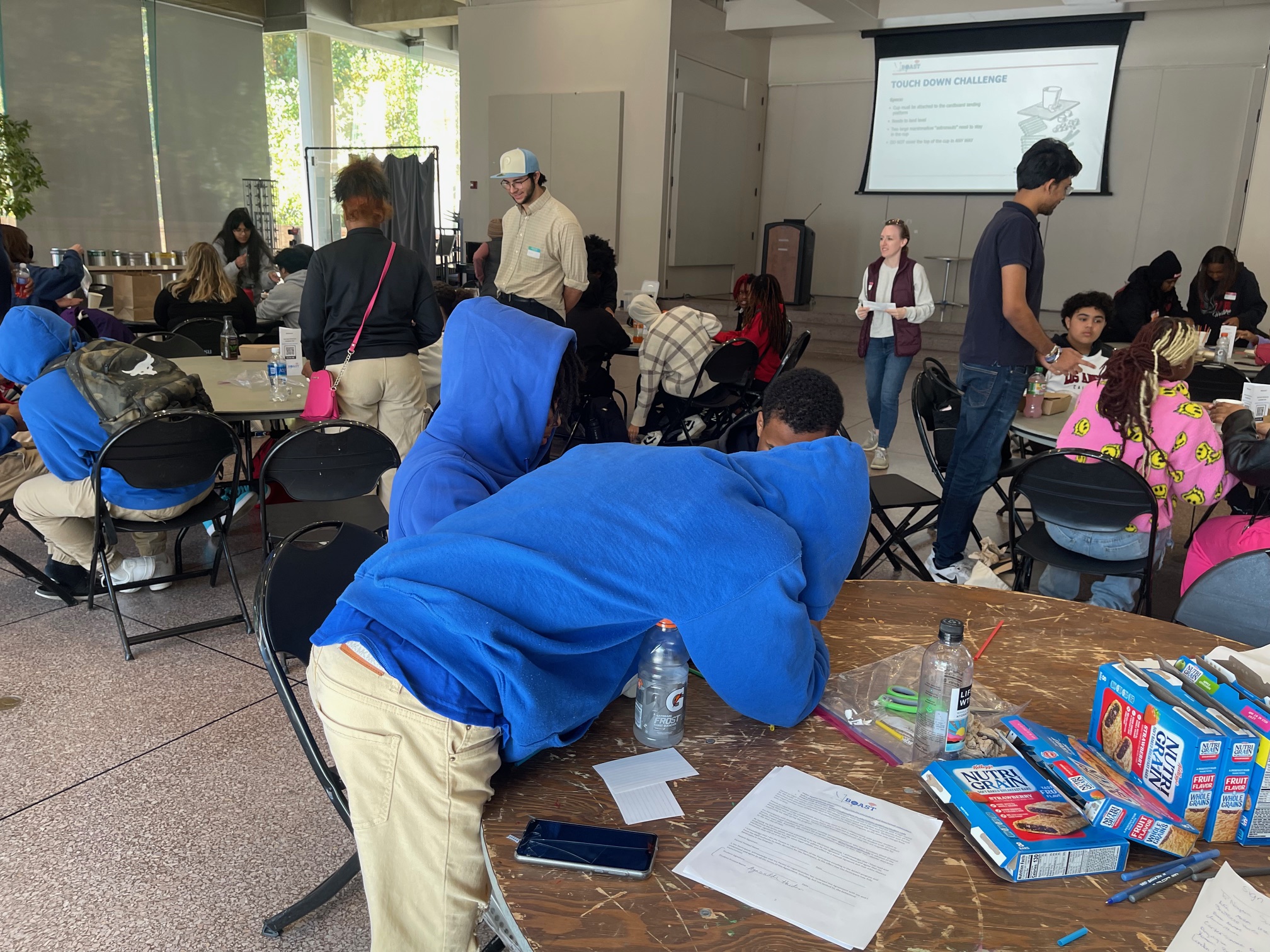
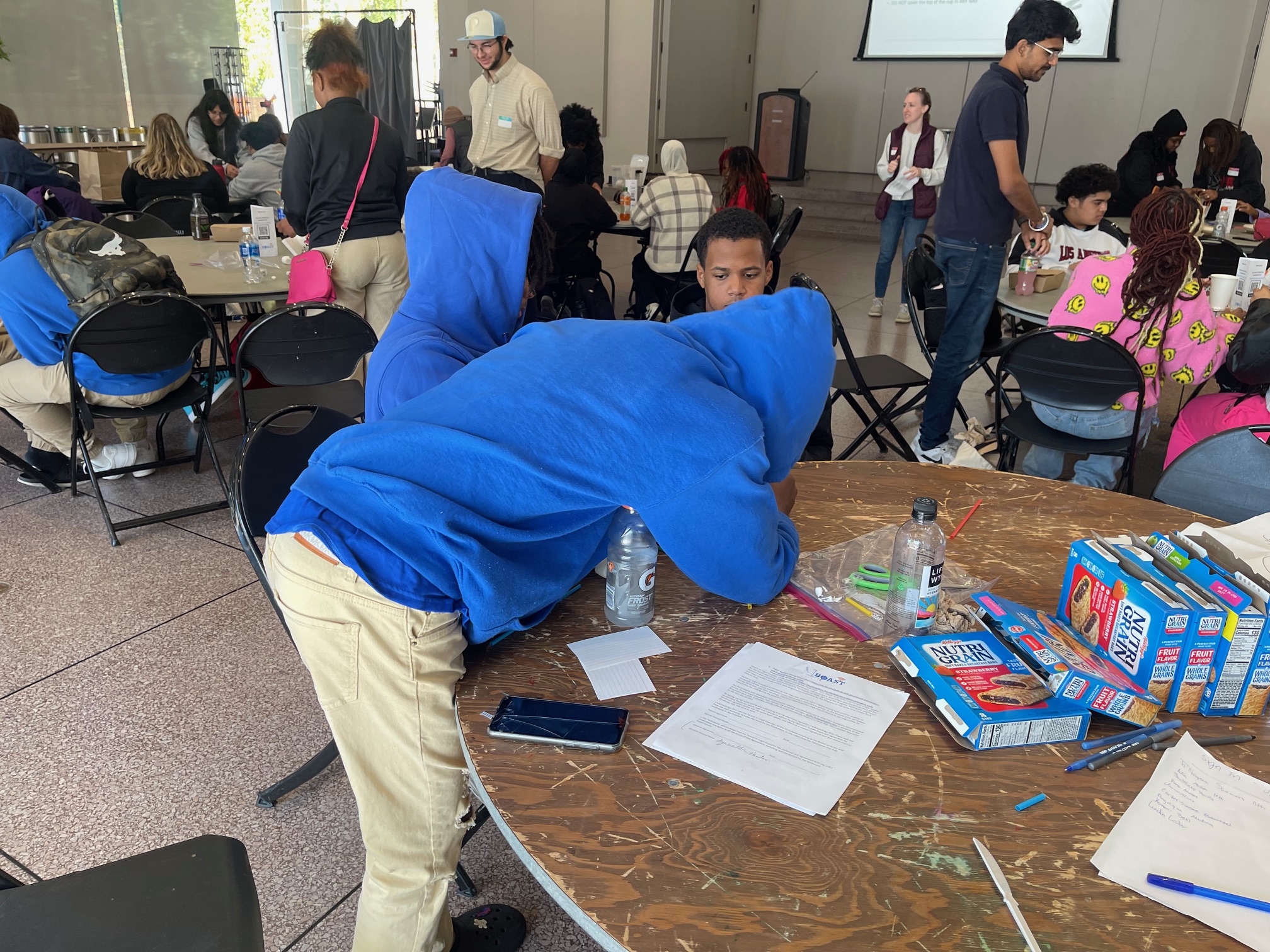
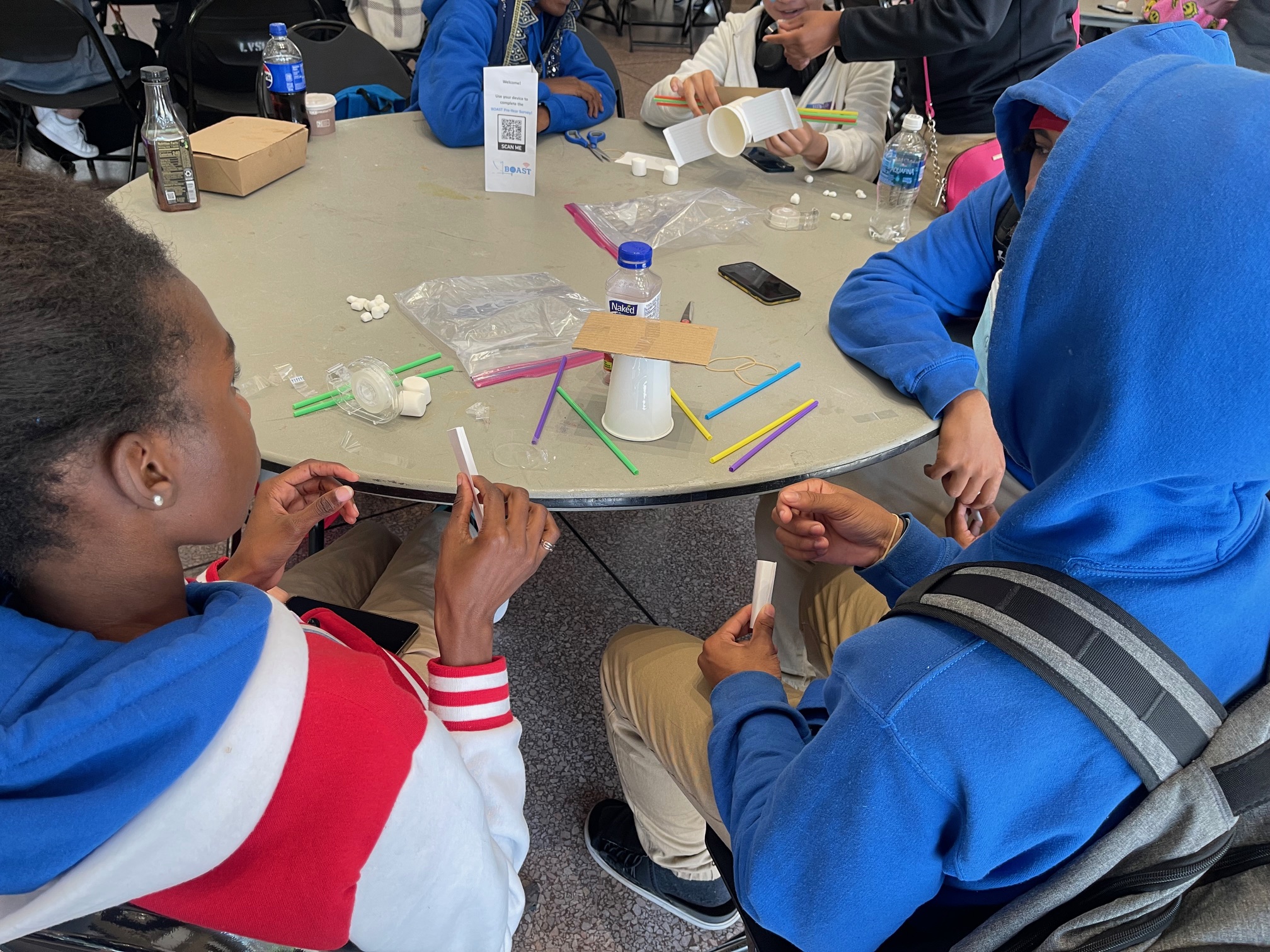
BOAST stands for Baltimore Online Algebra for Students in Technology. It is a free, after school program for students who are interested in STEM fields and careers and want to apply their Math skills to solving real world challenges. It is part of  a research study by Johns Hopkins.

Mr. Tiras is the in school representative for this program. Students in the BOAST program meet every Monday after school in Room 334. The program spans one school year, and students enrolled engage in many different engineering fields including:

  • Optical Engineering
  • Mechanical Engineering
  • Electrical Engineering
  • Biomedical engineering

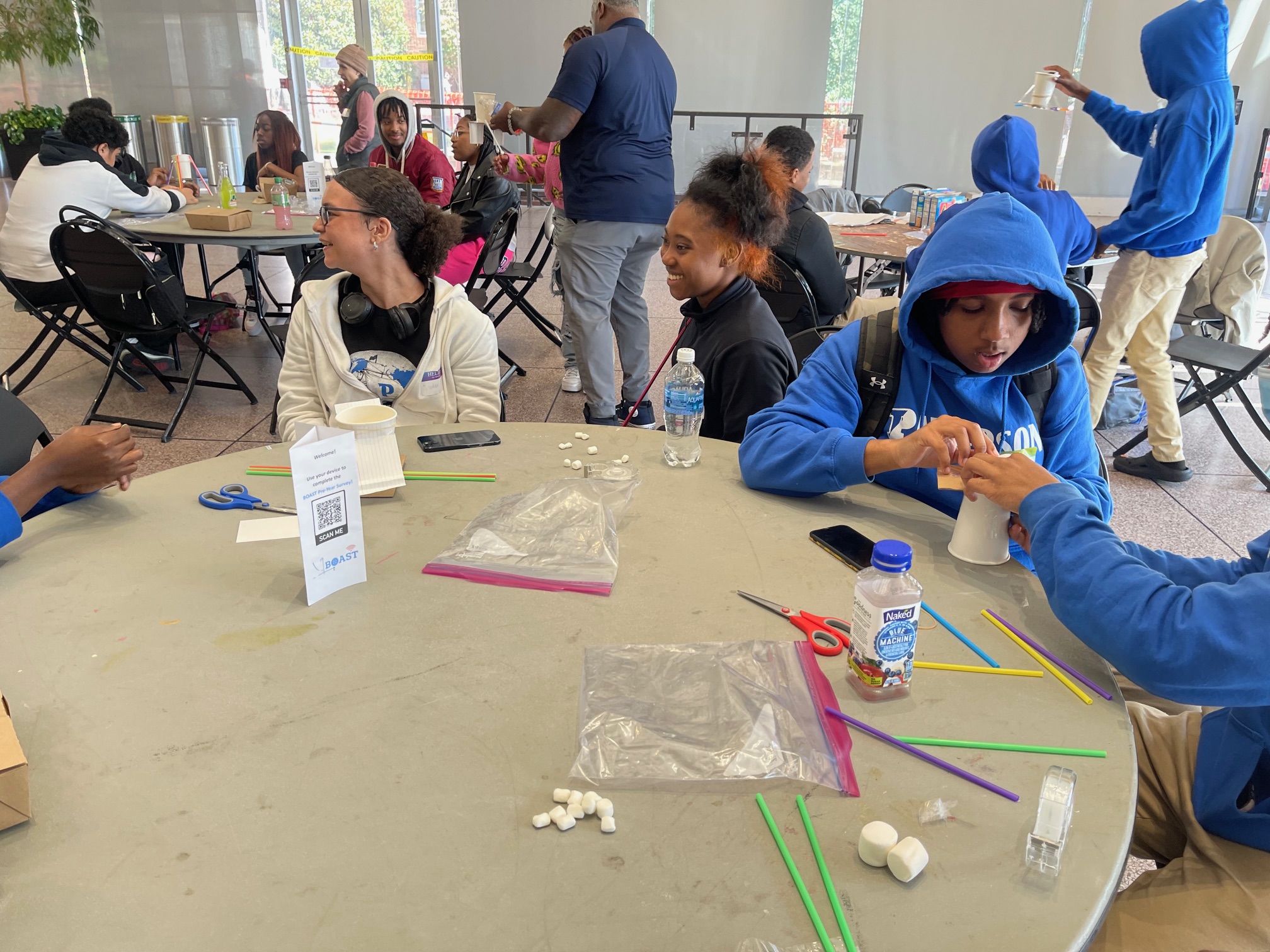
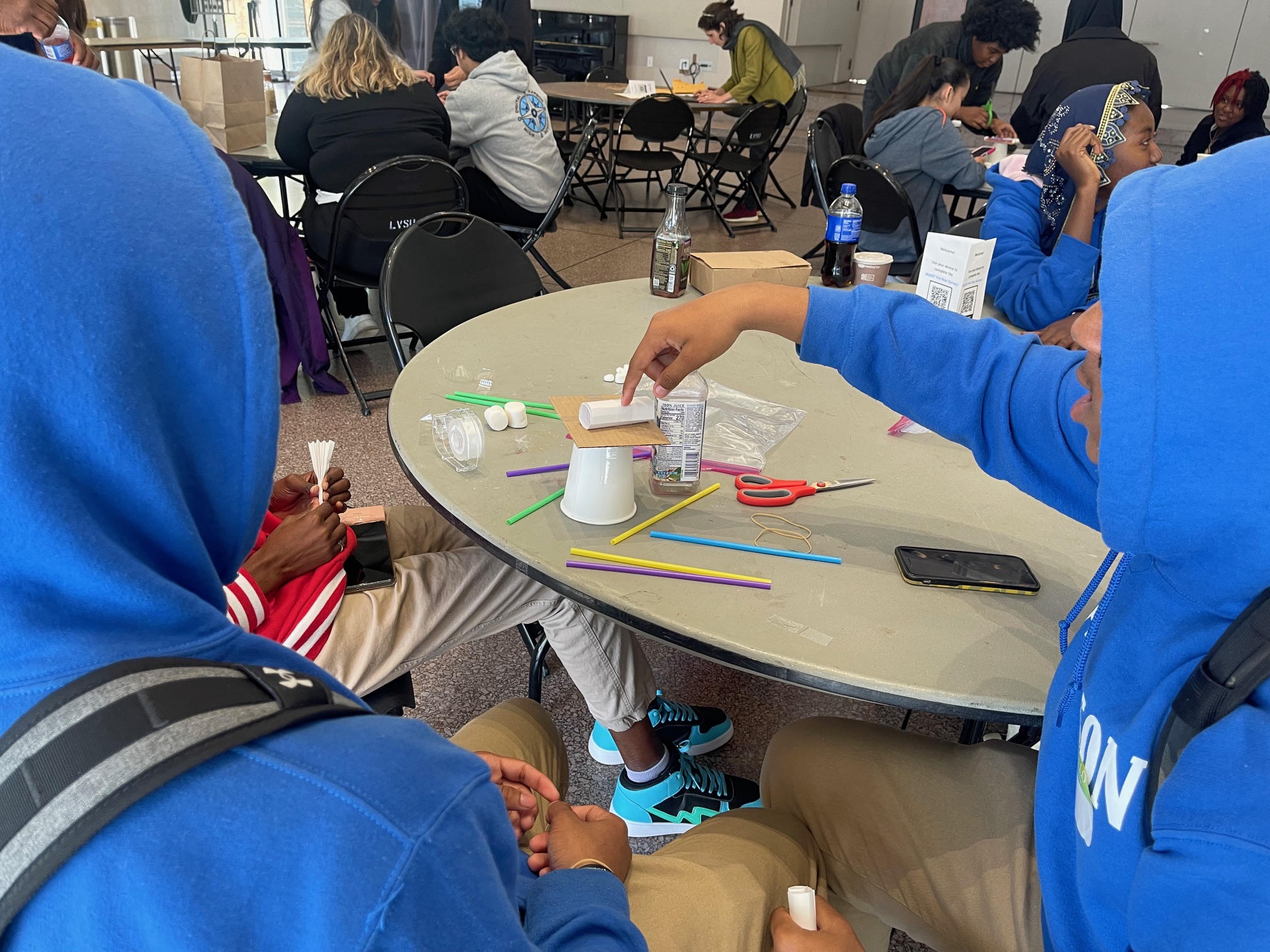
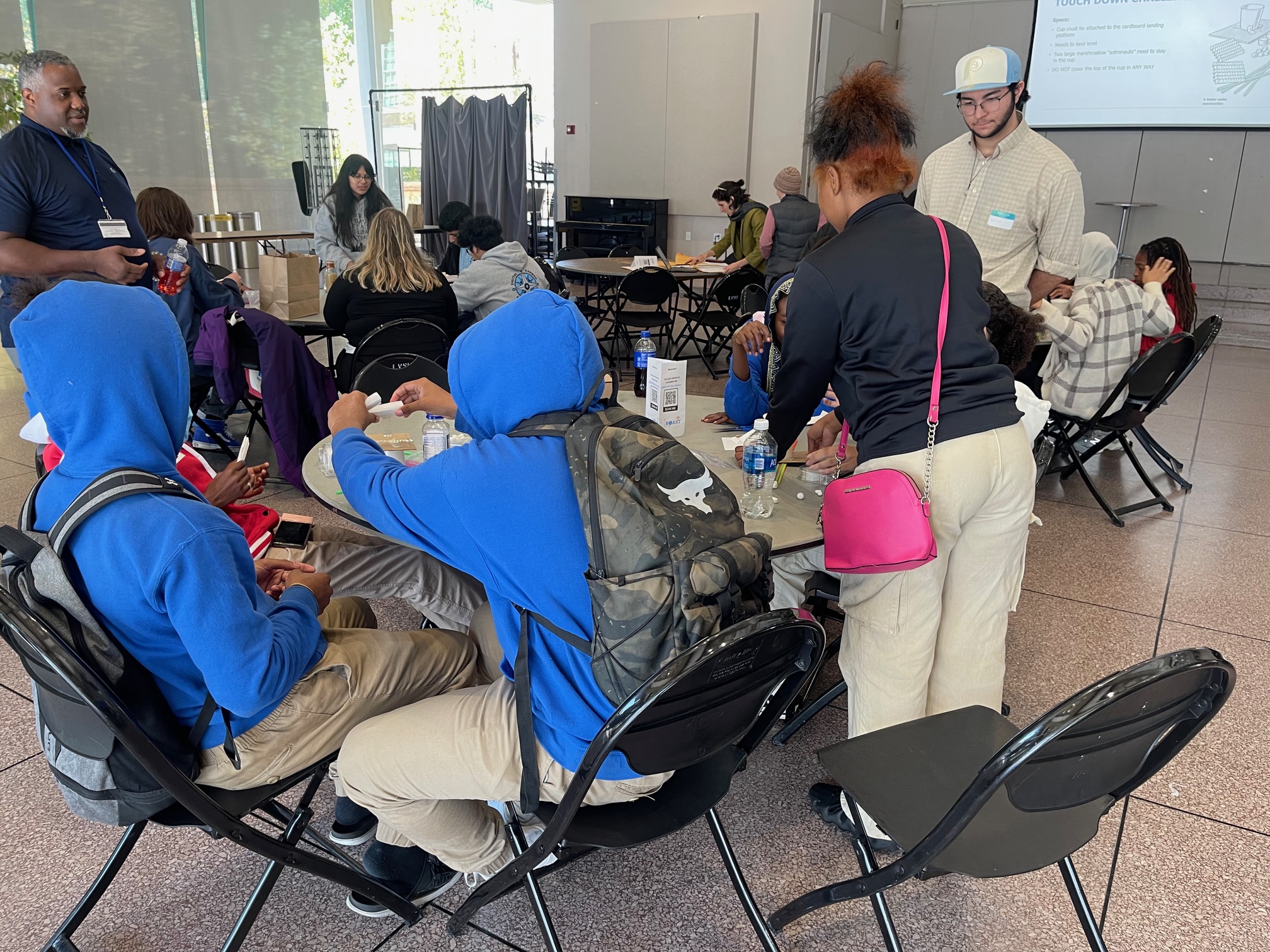
This school year, BOAST went on two field trips to Johns Hopkins University. On the first trip, we went over an introduction of the program. This was where we got to meet our assigned Johns Hopkins representative–the person who guides us through the BOAST curriculum.

The Hopkins representative that Patterson students were assigned was named Mr. Kohlbatz. He not only connected with us on an academic level, but on a personal level as well. He felt more like a friend than a teacher. He shared information about his personal life and academic background with us. This encouraged us to be more engaged with the work.

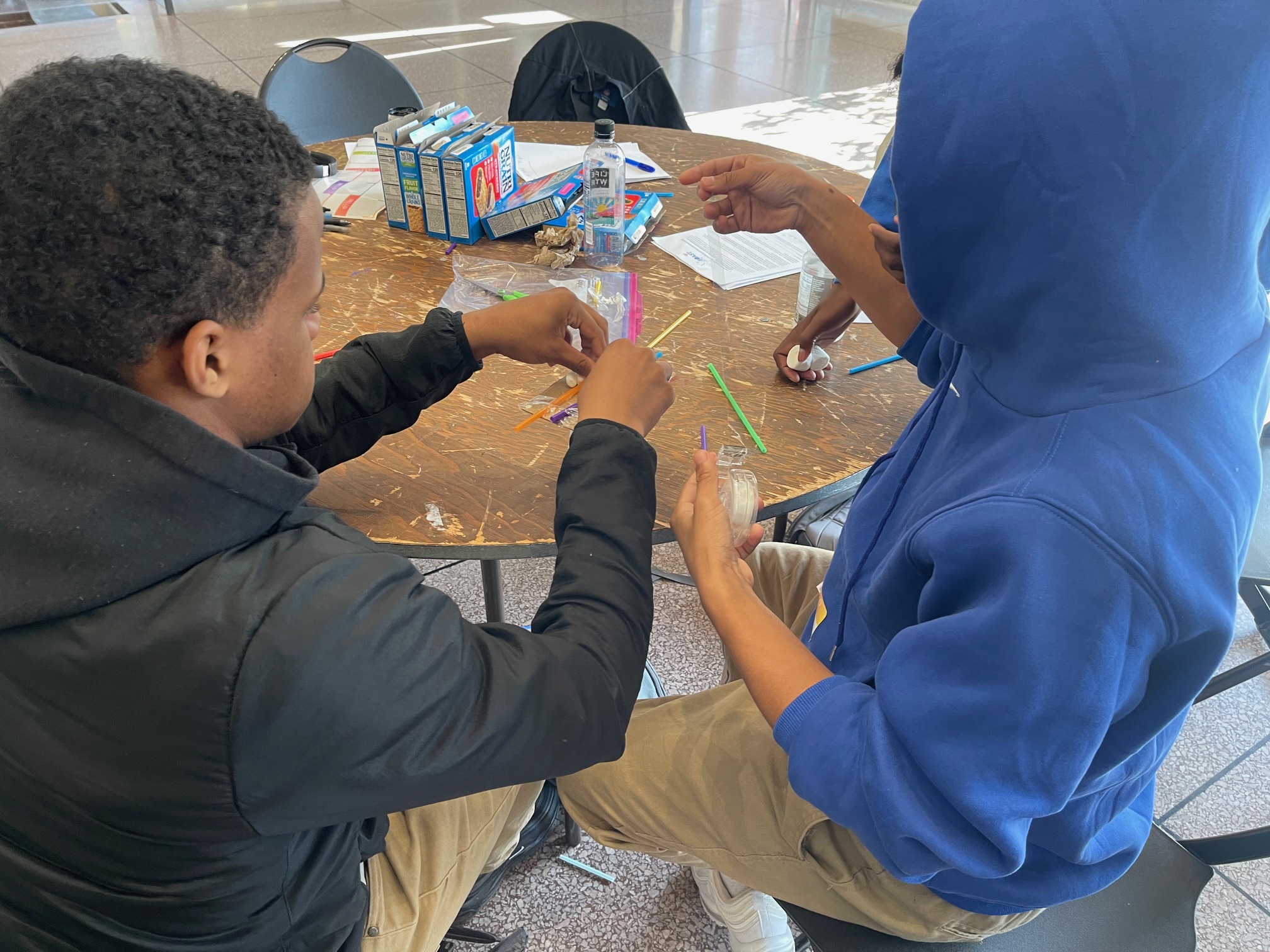
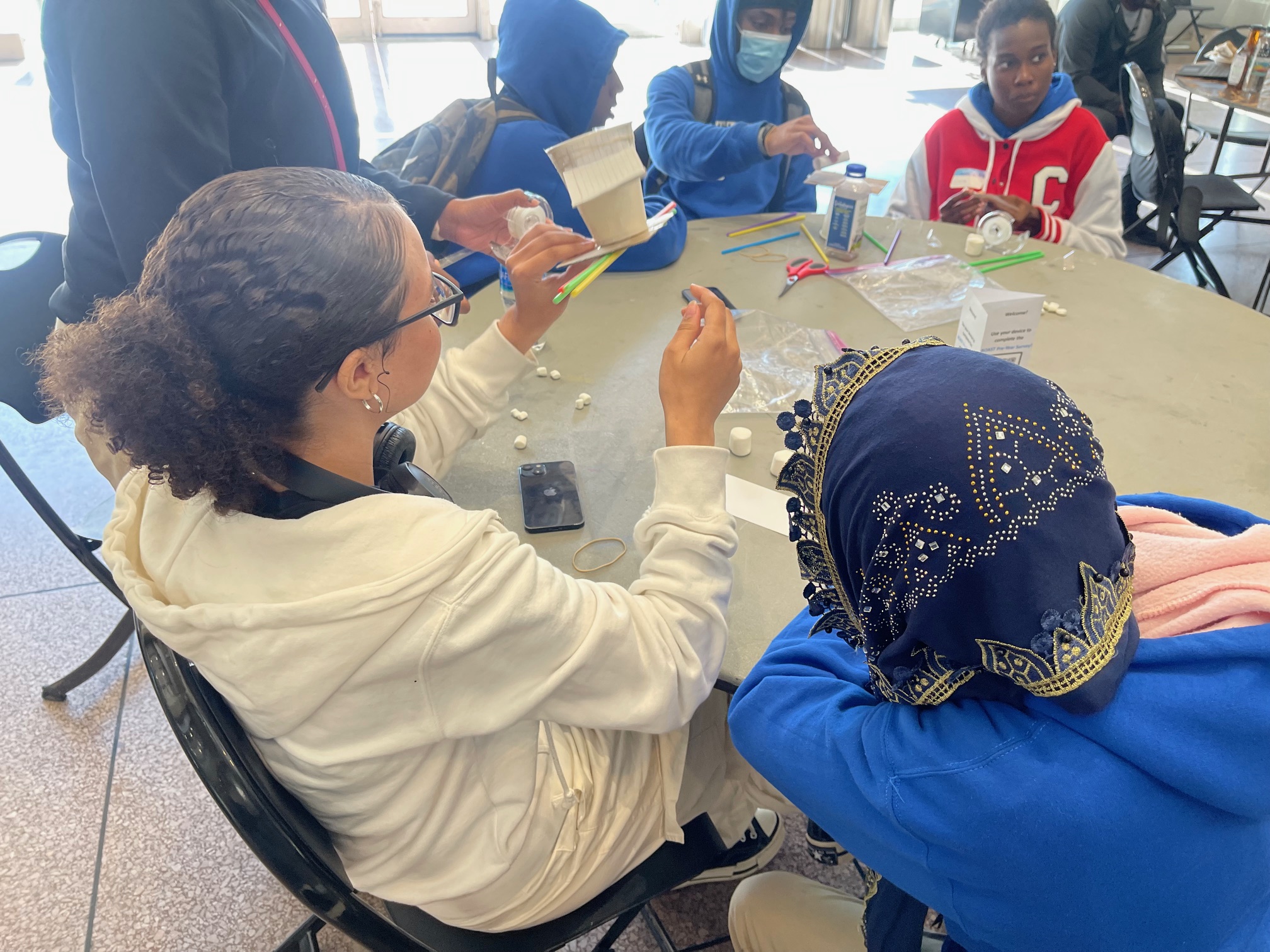
On the second trip, we met up back at the University and participated in a competition with the other BOAST teams. The focus of the competition was on acoustical engineering. The objective was to make a soundproofing box that could block specific decibel levels. Patterson didn’t win, but we tried our best.

The competition entailed 5 short stages or missions, which were made to be beginner friendly:

Mission 1: BOAST Introduction

¨You and your team of BOAST engineers are applying to be part of the Readiness Taskforce charged with protecting the Baltimore area from alien lifeforms. In your first Mission, familiarize yourselves with the platform used by the Taskforce. Then create an avatar to describe yourself and pitch your engineering team to the city officials looking to hire.¨

Mission 2: Technical Rescue

“The James Webb Space Telescope detects an asteroid leaving the Starfish Galaxy and heading towards Earth. As the asteroid moves closer to Earth, smaller meteoroids crash down in the Baltimore area, blocking the main roads entering the city. Use your knowledge of mechanical advantage and pulleys to design a pulley system that will allow crews to move the meteoroid debris and unblock the road.”

Mission 3: Machine Learning

“Just as things seem to be calming down, more space debris slams into a network of satellites used to gather data for weather forecasts! Using machine learning tools and the K-Nearest Neighbor technique develop a program that can accurately predict precipitation based on historical weather data collected by the National Oceanic and Atmospheric Association.”

Mission 4: Soundproofing

“The meteorites’ energy is causing high frequency sounds. To protect critical operations of Baltimore area institutions from the sound disruptions, city leaders call for engineering teams to develop a soundproofing device. A competition will determine the design implemented in the city. Jump into the research about sound waves and develop a soundproofing device prototype.¨ 

Mission 5: Business optimization

“Continued weather and public safety disruptions caused by the meteorites mean school is often remote, and students need the ability to learn from home and school. Your soundproofing prototype got the attention of an eccentric billionaire and she offers you a substantial grant to kickstart a business to provide at-home and classroom STEM lab kits. Make a business plan to show cost optimization and profitability predictions so you can receive the funding.”

If you’re looking to get into the engineering or medical fields, BOAST is a great option for you. It not only allows you to network with Johns Hopkins University (which is known for its engineering and medical accomplishments), but it also allows you to get a jump start in the world of engineering. Most importantly, upon completion of the program in May, they give you a college recommendation letter. So if you’re looking to go to college and want an extra credential on your resume, Join BOAST.

(Photos by Mr. Tiras)

Patterson competes in first City Schools esports event

(Photo by Mr. Sokolski)

by Deontay Blackwell

April 11, 2024 marked the first ever Electronic Sports (esports) event in Baltimore City Public Schools with Patterson High School competing against Benjamin Franklin High School in a Super Smash Bros. Ultimate tournament bracket. Patterson defeated Ben Franklin by a score of 4-1 in Super Smash Bros Ultimate. The team persevered through a bad internet connection to pull out the win.

Mr. Sokolski (or Mr. Ski, as most students call him) is the coach for Patterson High School’s esports team and runs Patterson’s gaming club.

“I think it is an awesome opportunity for students, especially students who may not have other activities that they are interested in. It’s a place where they can get more involved in the school, and competing against other schools, and be part of that school spirit.”

Mr. Ski wanted students to gain a group of friends, have fun together, and especially get good at video games. As esports events have been becoming more popular, students can potentially start a career in gaming by competing in cash cups and being on an esports team. 

Mr. Ski has an Advisory class and after-school club for the gaming club. He has multiple Nintendo Switches and a PlayStation to run games like Super Smash Bros. Ultimate, all current year Madden, 2K, FC24, Brawhella, and Rocket League. The students who participated in the esports event against Franklin were Jeremy Jones, Rachard Ockimey, Nicholas Callis, Phillip Jones, and myself–Deontay Blackwell.

For the other players, it has been a great experience for them being able to participate in an esports tournament for the first time.

“You don’t know how experienced they are at the game. You don’t know who they play as. It’s only fun when you actually give yourself a challenge.”, said Rachard Ockimey as they all shared how they felt during the tournament. 

This was the first school year that Patterson participated in esports, but it will not be the last.

(Video by Mr. Sokolski)

How social media affects your mental health

By Jennifer Iraheta-Delcid

Social media has become part of our daily life, consuming most of our time. Since the 2000s, it has extended new possibilities for communication. It has its good effects and bad effects. But it brings many risks if you excessively use social media.

Many platforms such as TikTok, Instagram, and Snapchat have become popular among youth. People normally spend around 2-3 hours of their time on social media. Therefore, These platforms have gained popularity because they allow you to communicate with other people as well as being a way to express yourself, whether in a short video or a story.

However, it’s a source of entertainment while also allowing you to make new friends online. Meeting friends online can be very dangerous at times because you are not sure who is behind the screen and whether they’re a predator or not. Although social media has its benefits, it can cause you to isolate yourself from actually interacting with real-world people and can later result in feelings such as anxiety.

Excessive use is mainly caused by lower psychological well-being. The immoderate consumption of social media is affecting many young people. Possible effects that come with it are low self-esteem, exclusion, bullying, and poor work and/or school production. In fact, social media produces many negative feelings. Recent studies show that people between the ages of 14-24 feel as if social media brings feelings of depression, anxiety, poor body image, and loneliness. Many platforms such as YouTube and TikTok care more about engagement rather than your mental health and the negativity that comes with it. Trends can also influence many young people to do dangerous activities that can lead to death. 

Social Media affects your mental health but it doesn’t mean you can’t use it at all. You just have to be aware of how much of your time it’s consuming. There are many good effects as well as bad but it brings many risks if you excessively use it. Mindfully using it is important to social media consumption.

Ms. Ball makes engineering class fun and exciting

By Kayla Holeman

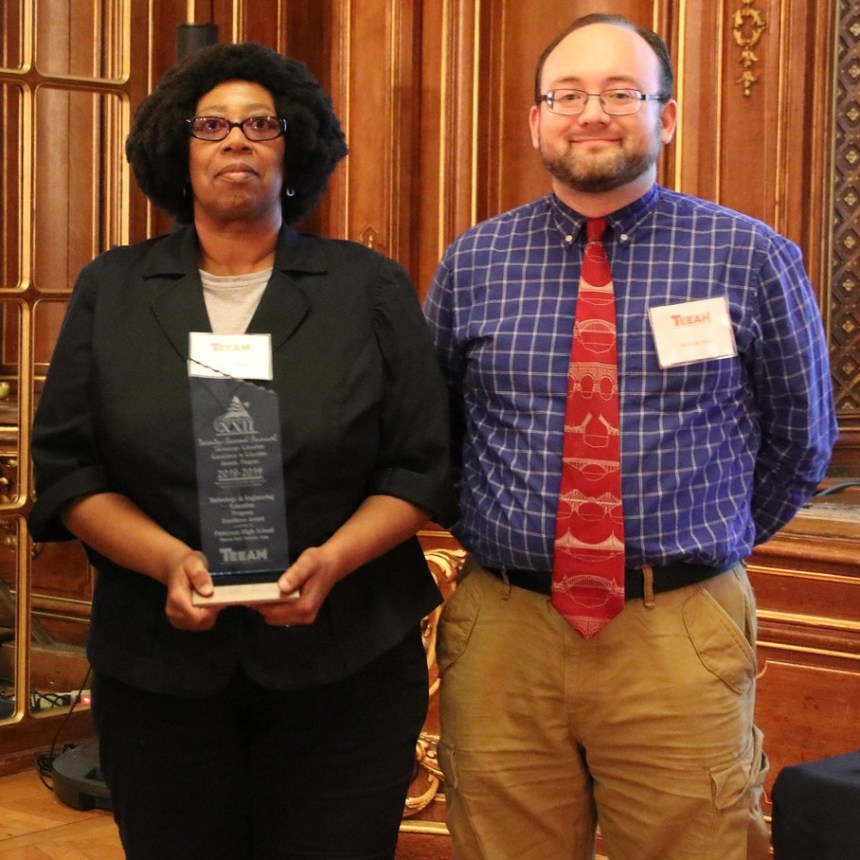
Ms. Ball and Mr. Yates won the Excellence Award at the Twenty-Second Annual Technology Education Excellence in Education Awards Program in February. (Photo: Ms. Ball/Mr. Yates)

We wanted to know more about engineering at Patterson High School and why should students take engineering classes so we interviewed the engineering teacher, Ms. Ball.

To me, engineering seems cool and fun. You learn a lot. I’m not even taking the class yet, but I will take it because I really like how it is. It seems interesting.

Engineering teacher Ms. Sharon Ball got inspired by luck because her recruiter from high school inspired her to get into engineering. She worked as an engineer on massive cruise ships and she loved it so she kept doing what she loves to do. Ms. Ball started working in the field of engineering 24 years ago.

In February, Ms. Ball and Mr. Yates received the Excellence Award at the Twenty-Second Annual Technology Education Excellence in Education Awards Program. Ms. Ball and her students have also won other prestigious awards over the last few years.

The engineering pathway has gone on a number of field trips, including visits to an engineering company, colleges, and a drum company. Ms. Ball loves to inspire students and to blow stuff up.

Ms. Ball’s advice is, “If you fall down to get back up.” I like this quote because you should never be scared to not get it right the first time. If you get it wrong, just keep trying; never give up. This is why I would like for engineering to be my pathway, because it’s just great in my opinion.

Ms. Ball seems like a nice, wonderful teacher and I can’t wait to have her and blow stuff up. If you have any questions about the engineering pathway at Patterson, then just go to Ms. Ball in 107, and she would be happy to answer anything you need about engineering. If you are into engineering, you should take this class because it seems pretty cool, going on trips and just learning new things. I would love to take this class next year. I can’t wait. It’s just going to be wonderful and if you are not sure what class to take but you want something like this, try it out because you are only going to know if you try.

Dante Wilds contributed to this article.

Remembering robotics coach, Kevin Boone

By John Dingzon

Mr. Kevin Boone, an engineering teacher and robotics coach from Digital Harbor High School, passed away in November 2018.

It was a very tragic of loss of one of the best engineering teachers in Maryland. Mr. Boone had been involved in the VEX robotics program since day one, when the program was first released here in Baltimore City.

Two of Mr. Boone’s former students for robotics at Digital Harbor High School, Peter and Isaiah, shared their feelings with the Patterson Press:  “We mourn for the loss of Mr. Boone, because he was like a father and a mentor to us and always looked after us. If he saw any errors, he would help and correct us.”

A lot of times Peter and Isaiah would stay after school or stay really late just to finish their robots and get ready for the Saturday competition and tournament.

Digital Harbor High School is currently postponing their participation in robotics competitions with other schools. It is unknown who is going to take Mr. Boone’s place as robotics coach.

Patterson engineering teacher Ms. Ball who was a close colleague and a friend of Mr. Boone. “I was devastated when I heard the news of his passing.”, Ms. Ball explained. “I had just seen him at the Digital Harbor High School VEX robotics competition on Saturday, and his passing was announced 4 days later on Wednesday. He was planning to visit Patterson to help my students with programming on the same day.”

Ms. Ball first met Mr. Boone in 2004 when our schools were competing in the first robotics competition.

The Baltimore City VEX Robotics Coordinator, Gino Tagaytay, held a special ceremony to honor the memory of Mr. Boone at the next VEX robotics competition at Patterson Park Public Charter School.

Personally, I first met Mr. Boone in 2015-2016. Ever since then, I have been working with him. Mr. Boone was an amazing engineering teacher. It is tragic losing someone like Mr. Boone who had been in the program since day one.

The only way we can honor Mr. Boone is to continue the competition all the way to the VEX Robotics tournament cup at Johns Hopkins University.

Mr. Boone helped Patterson teachers & students in all aspects of the VEX robotics program, from designing and building to programming and fundraising. He was always available to lend a helping hand.

We all started together back in 2004. He was one of the first teachers to engage in the VEX program and to offer workshops for new teachers interested in setting up a robotics program at their schools.

Prior to his retirement last year, he was teaching at Digital Harbor High School and served as the VEX Robotics Summer Training Instructor.

I’d like to think he and I were close professional colleagues. He was an incredible resource for Patterson High School. My students looked forward to working with him during the school year as well as the summer. He and I also hung out at “Beer & Bots” to learn about the latest “high-tech” gadgetry used for robotics. Talk about awesome–he even brought us donuts during the Saturday competitions.

Kevin Boone was an amazing person; kind; wonderful; generous (especially with his time). He was respected and admired by his peers, and quick to support his colleagues and his students. He will be greatly missed.

Amazon donates money to Patterson engineering department

By Moses Jeuronlon

The Patterson High School engineering department received a sum of $15,000 in support from Amazon on Friday, Nov. 30, 2018.

The students of the engineering pathway, Amazon staff, and a representative from the mayor’s office all gathered in Ms. Ball’s classroom to meet each other.

A representative from Amazon give a brief presentation on some of the things they do each and every day. He also talked about some of the opportunities and benefits Amazon has given him as well as some of the fun times he had working for them.

According to John Digzon, a member of the robotics club who participated in the Amazon event, “I am really relieved because with Amazon support we can buy more resources we need for projects”.

After the presentation, the group left Ms. Ball’s room and went to the robotics room where students presented the robots they have been working on. They also demonstrated some of the things their robots can do at the Vex robotics competition practice stage.

Patterson High student election postponed due to internet failure

By Moses Jeuronlon

The Patterson High School Student Government Association held a election on Friday, Dec. 7, 2018 to select their new new president and officers.

Students were required to vote through Kahoot, an internet tool used for surveys quizzes and discussion. While preparing to vote, The internet connection was lost and they could not show the results. The teachers tried refreshing it but it ended in failure.

The audience was whispering, saying, “someone is trying to hack the school WiFi”. In reality, the voting was not being conducted on the official school WiFi network (which does not have a strong enough signal to work in the auditorium) but instead utilized a teacher’s private network.

They kept trying over and over and time ran out. Students got dismissed and the election got postponed to a later date. According to John Digzon, the former SGA President, “the internet connection in the auditorium is not good and too many people used Mr. Bey’s WiFi.”

Dingzon gave his opinion on the candidates, saying, “I’m proud of them and the things they have accomplished.” He suggested that perhaps the candidate can see this as a opportunity and try to encourage more people to vote for them when the true election takes place. It also gave Dingzon the chance to enjoy few more days as President. “I feel happy because I’m trying to finish what I can” said Digzon.

The election was rescheduled to take place early the following week in social studies classrooms.


Internet is keeping teens up (OPINION)

Using an iPhone to access the internet

Smartphones make it easy for teenagers to access the internet from anywhere. (Photo: J Haymesisvi Photography — CC)

By Moses Jeuronlon

Teenagers all over the country are using technology everyday for many different reasons, but is technology affecting how teens perform in school and at home?

In my opinion it is. Teens are mostly tired in class, falling asleep on the bus, and running late to class. It is mostly because they stayed up late at night surfing the web. Also when the teacher is teaching, they take their phones out and start to text each other and get distracted. Then, when a quiz comes based on the lesson, they fail it.

According to the computer science teacher at Patterson High School,  Mr. Nicholas Yates, “the internet provides information for students, but it also provides an easy source for distraction”.

Teenagers are a group of young adults who have taken a half a step into society. Yes, the internet gives us entertainment, but it also has its negative effects. Taking the internet or technology as the top priority of a student’s life and only giving 5% of their time to his or her education is abysmal and it will lead to that student destroying his or her future.

Teens and students need to be responsible for their lives and balance the amount of time they spend on the internet and the time they spend preparing for school.

“Sometimes the internet provides distraction because it makes us lazy and keeps us away from actual work”, said Josine Mamno, a Patterson student.

When students have homework or classwork, they can rely too much on the internet and it can make them too lazy. Then, when they really need to solve a problem and the rule says no phone is allowed, they may not understand the work and fail.

There’s no law in the country that says people should not be on their phones, but teenagers can make their own set of rules about when to be on their phones and when to put them away and get serious.


« Older Entries