Category Archives: Science

Zeta team upset after STEM loss

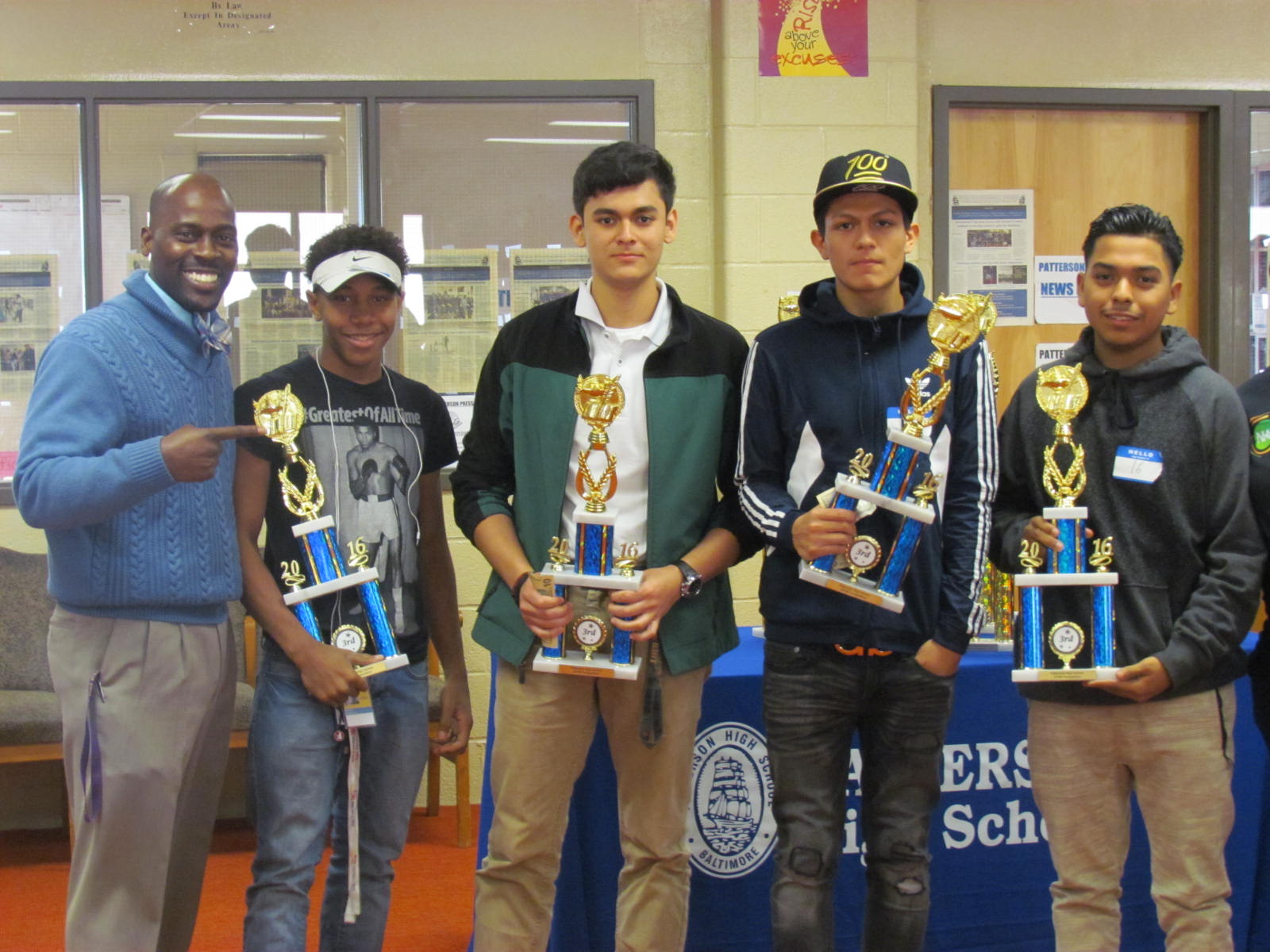
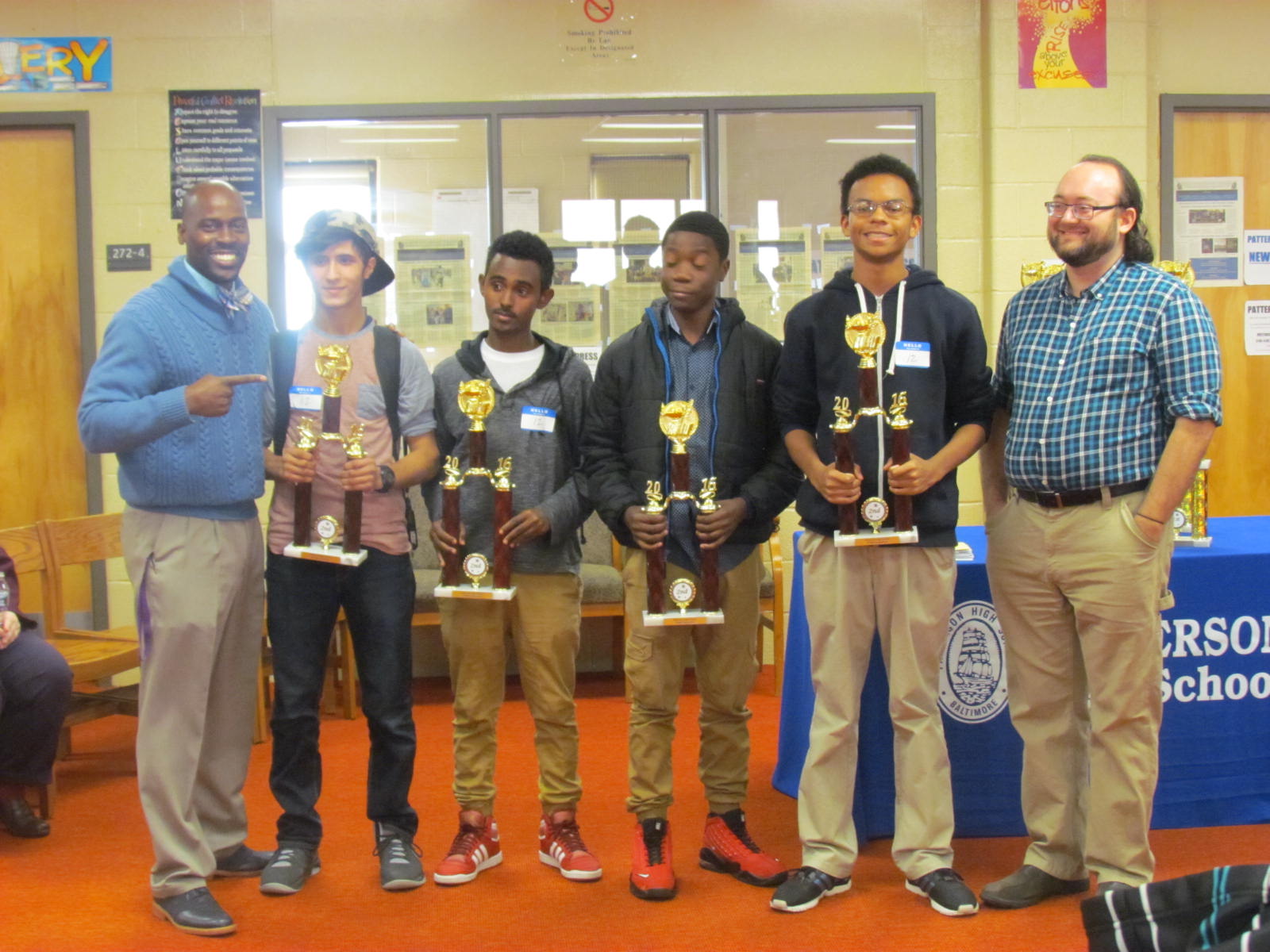
The winning team at the STEM competition

The winning team at the 2016 STEM competition (Photo: Christian Pietrowski, Patterson Press)

By Alvaro Flores-Villegas,

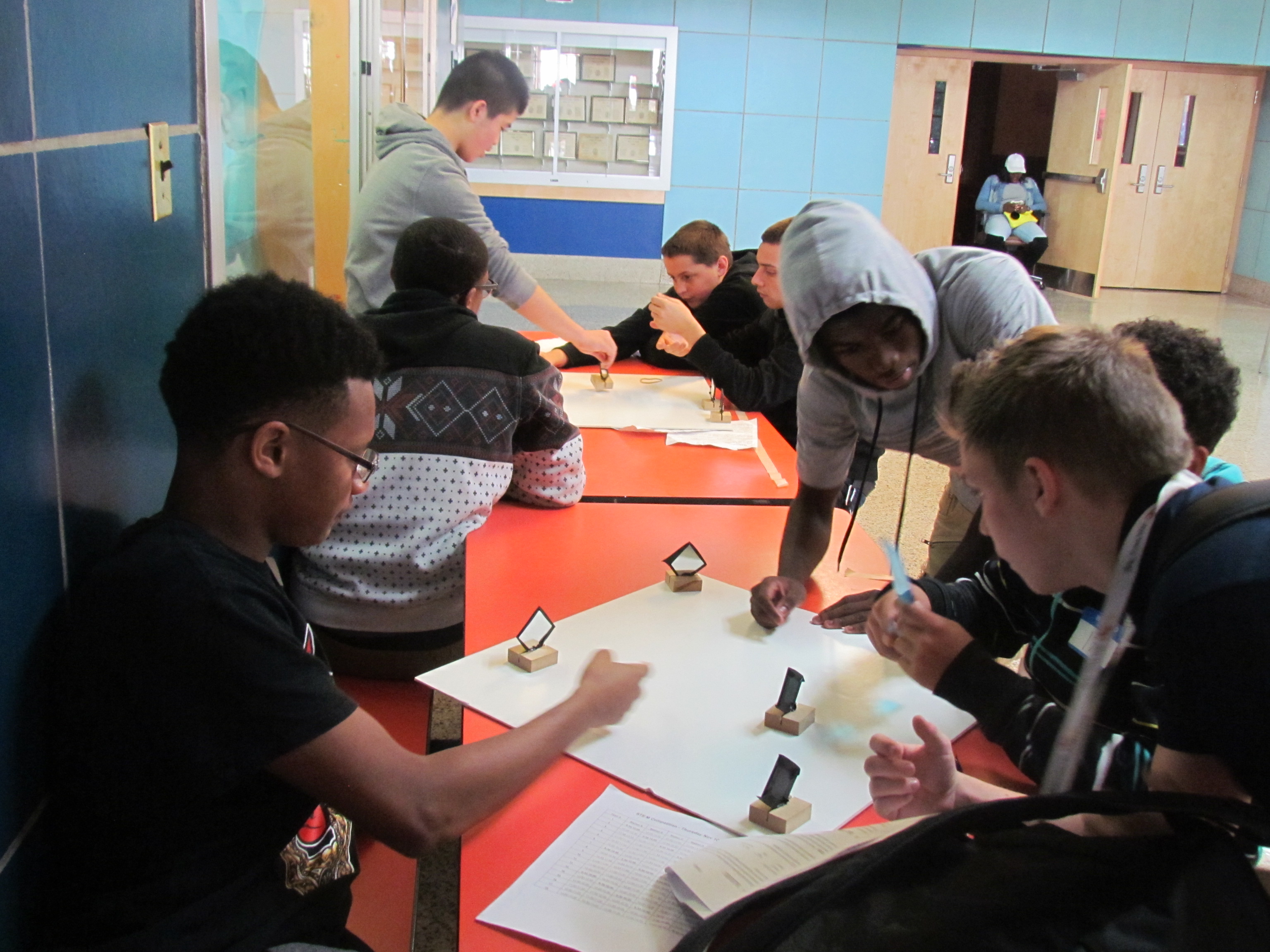
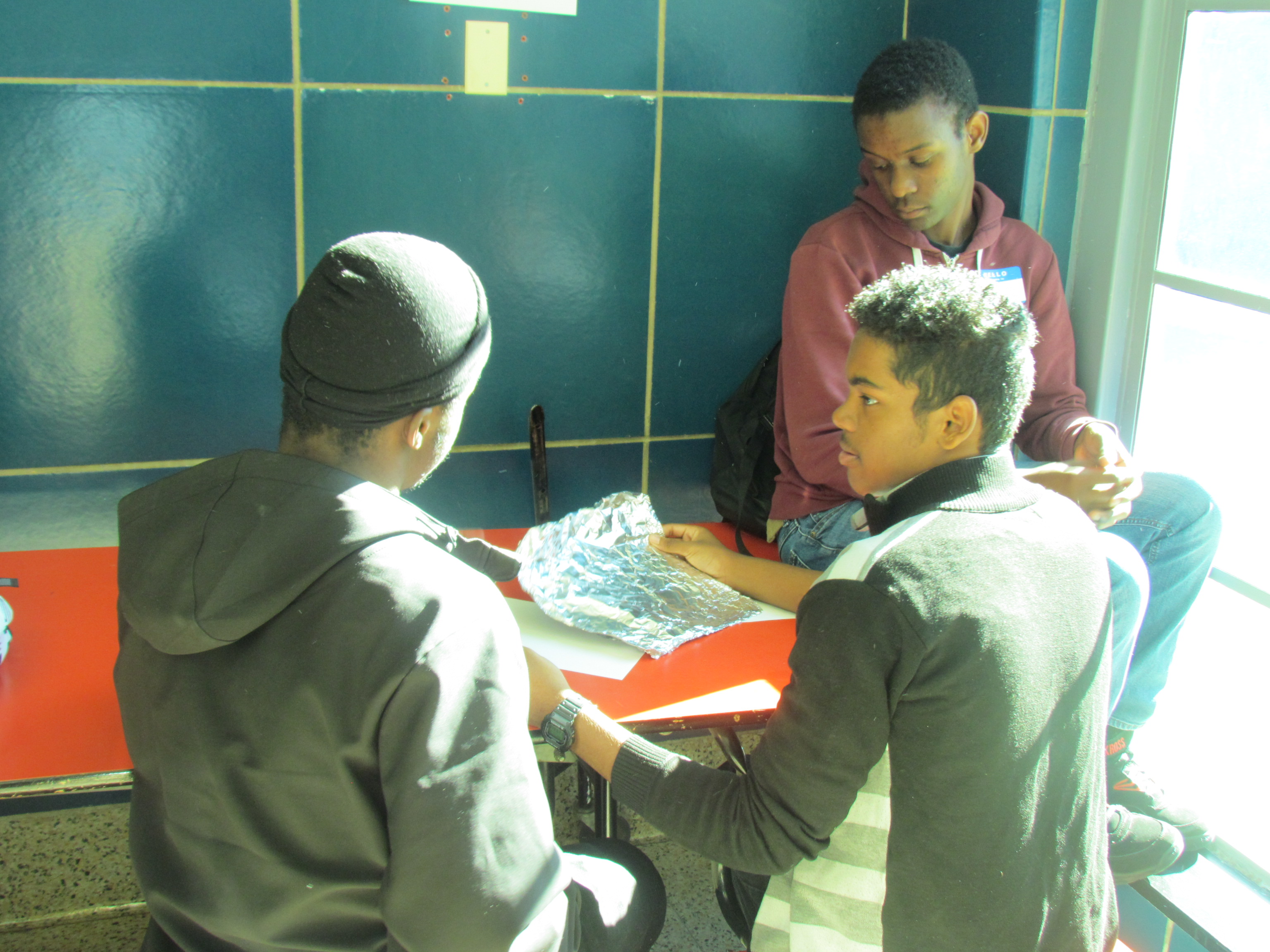
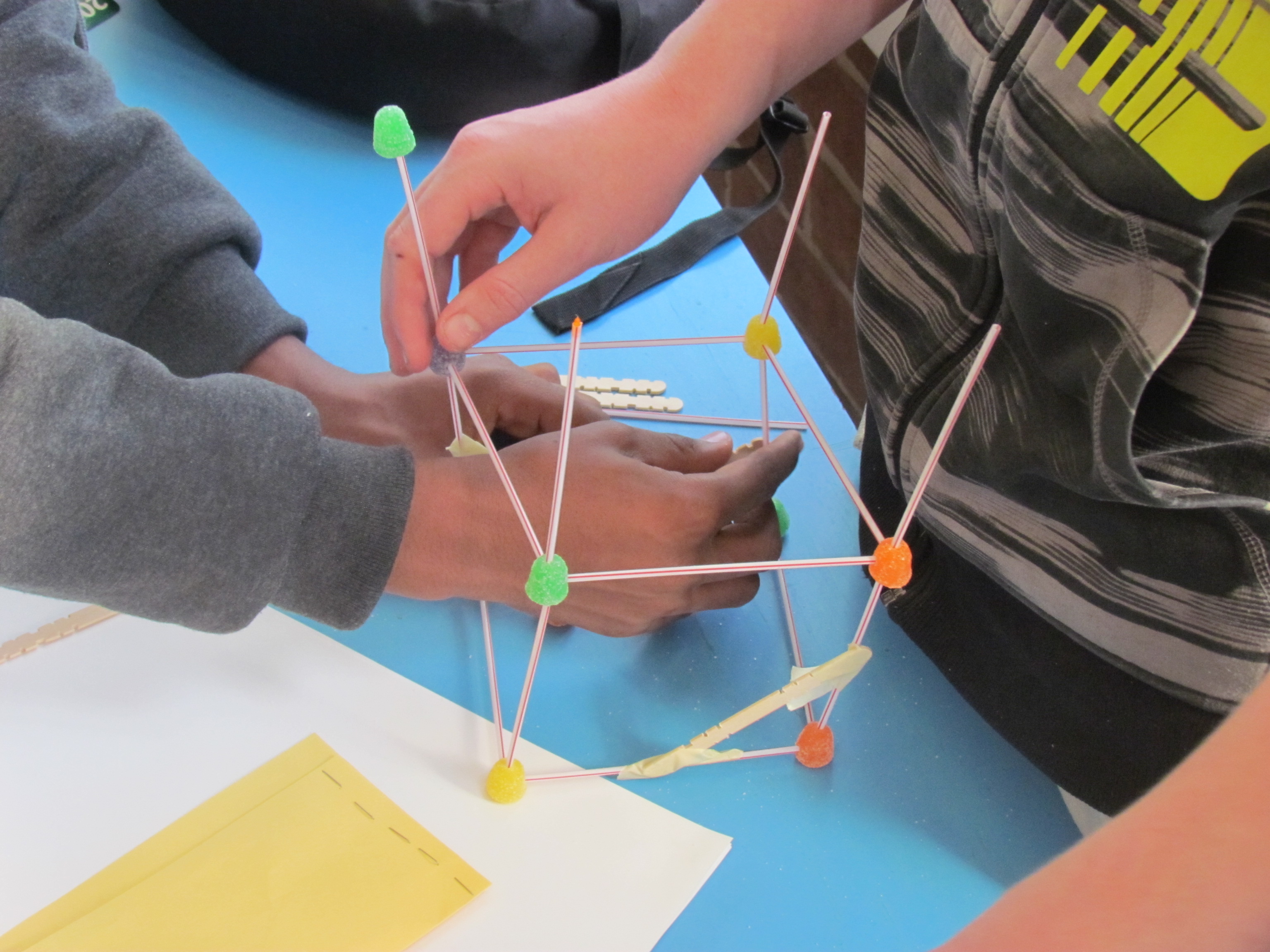
Students competed in the 2016 STEM competition on November 11th. The STEM competition is an annual event at Patterson that involves challenges based mainly on Science, Technology, Engineering, and Math.

Students from all cohorts were getting in their teams as they prepared for that day. One team called the Zeta team, which consisted of Amadou Bah, Edward Torres, Yamen Khalil, and Nan Wang declared that they were going to win 1st place in the whole competition. “I already had a spot to put the trophy in my room and dreamed to have my first STEM trophy before I graduate”, said Amadou Bah.

Yet at the end of the competition, the Zeta team did not win first, second or even third place. Rather than accepting the loss, Bah has accused Mr. Yates of rigging the competition. Mr. Yates is the main teacher in charge of organizing the STEM competition. Bah finds it difficult to believe that a younger, less experienced team could beat his team of seniors. He also points to the fact that the winning students were all students from Mr. Yates’ engineering class. Bah alleges that Mr. Yates showed favoritism by letting his own students win the competition. Edwin Torres, another member of the Zeta team, agrees with Bah. “When the winning teams were being rewarded, everyone was caught by surprise on who took first place”, Torres told the Patterson Press.

In response, Mr. Yates said, “the judges were volunteers from various Engineering or other STEM Businesses and Universities. I had no influence on their scoring; they simply followed the event instructions and rubric which all students had access to”. Mr. Yates pointed out that the STEM competition has a long history of upsets, including one year when a team of ninth graders beat all the upper grades.

“The STEM Competition is not about rote knowledge, but about creativity and applying STEM knowledge and skills in a new setting. So even inexperienced teams can bring their creativity and problem-solving skills to bear”, Mr. Yates explained. Unable to resist a little trash-talking, Mr. Yates added, “My students are the best; that is why they won! Unlike the [Presidential] election that same week, the STEM Competition was not rigged!”

In conclusion, I was really shocked myself when I competed in the competition and found out we were not the winners, but at the end of the day we had a good laugh and just accepted it. It was a close game after all!

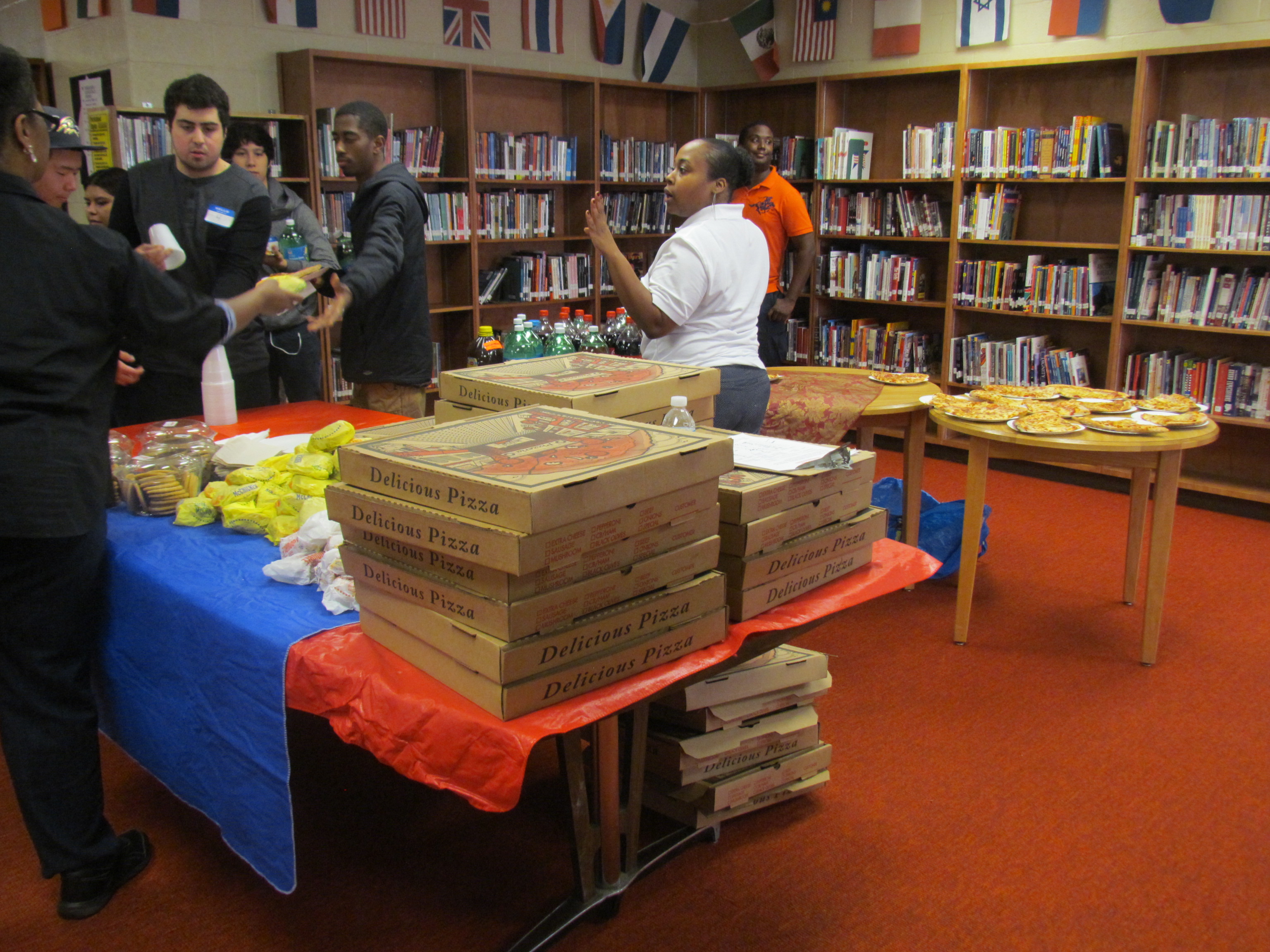
The industry partners who served as judges during the STEM competition Photo: Christian Pietrowski, Patterson Press)

The industry partners who served as judges during the STEM competition Photo: Christian Pietrowski, Patterson Press)

f

(Photos: Christian Pietrowski, Patterson Press)

Interview with Ms. Ball about VEX Robotics Competition

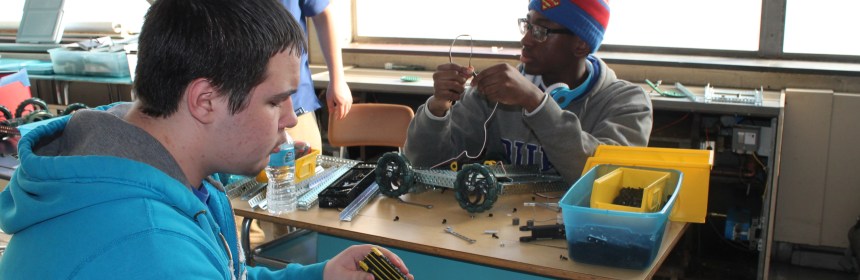
A student works on his robot. (Photo: Patterson Press)

A student works on his robot. (Photo: Patterson Press)
By Brian Clark Jr.,

Below is an interview with Ms. Ball about the VEX Robotics Competition.

Patterson Press: Why do you do this competition for the students? 

Ms. Ball: The reason I do this competition for the students is to teach them problem solving, communication and programming skills. In addition to learning about engineering, students are able to interact with each other in a positive manner while applying Science Technology Engineering and Mathematics (STEM) concepts.

Patterson Press: Who can participate?

Ms. Ball: Anyone can participate. We welcome students, parents, and staff.

Patterson Press: What made you want to start a Robotics Club in Patterson High School?

Ms. Ball: The reason I wanted to start a Robotics Club at Patterson High School is because at my old school, we had a VEX team and a FIRST Robotics team. So, when I came to Patterson, we were able to implement a VEX team with the resources we had. The students were able to engage the robotics concepts right away so the program grew.

Patterson Press: What do the students do with the skills they learn from the Robotics Club?

Ms. Ball: They use the skills to improve robot designs and to increase their gaming skills and/or to learn about engineering.

Patterson Press: Do any of the students go on to college to study robotics or engineering?

Ms. Ball: Yes. Several of the students in the Project Lead The Way (PLTW) Engineering Program use robotics to get scholarships to pay for college. Last year, two PLTW students in the robotics club got over $170,000 in scholarship money. They both are studying engineering and computer science in college.

Patterson Press: How many students are on the robotics team?

Ms. Ball: Right now there are 15 students who come on a regular basis. A lot more are interested, but we don’t have the resources to support more students. Though students work in teams of two and three, at some point they should be able to build their own robots, not to just learn about the concepts. We are writing grants to fund our club, but until we get more resources we have to turn some students away.

Patterson Press: How many faculty members help with robotics?

Ms. Ball: Everybody at Patterson supports our robotics team, but currently only two teachers (Ms. Ball and Mr. Funk) runs the program. We would like to have more teachers attend the club meetings to help the students.


Patterson and NAF Students Help Create Prosthetic Hands For Those In Need

dsc_0312

Engineering students share the limelight with their teachers, Mr. Yates (left) and Ms. Ball (right)        (Photo: Northrop Grumman)By: Amadou Bah

By Amadou Bah,

Students from two Baltimore high schools (Patterson & National Academy Foundation)  had the chance to create prosthetic hands for children around the world. Both Mr. Yates and Ms. Ball selected six students to go on the field trip on Oct. 3, 2016.

Students from Patterson High School and National Academy Foundation (NAF), had the chance to pair up with volunteers from Northrop Grumman for a hands-on experience. The students had the guidance of one volunteer from Northrop Grumman for each table, with the exception of Amadou Bah, who had the guidance of two volunteers. All students also had the materials from 3D printers as part of a program that organizers said “keeps rapidly growing every year.”

Those involved in the program hope developing a prosthetic hand will not only change the life of the child that will use it, but also the ones that are assembling it.

dsc_0317-1

Prosthetic Hand Assembled by Students (Photo: Northrop Grumman)

The program is part of Manufacturing Week. Overall, 13 Northrop Grumman campuses across the country are doing the same project with students.

“Last year we did this event and we just loved it,” Ingrid Vaughn, vice president of manufacturing for Northrup Grumman, told WBALTV. “We were able to produce 160 hands, and we distributed them to Enabling the Future. So that was really a first-year big hit, so we are trying to do the same thing this year.”

When students are finished, the hands will go to a child in need anywhere in the world, thanks to the nonprofit, e-NABLE.

Gardening Club promises benefits for school and community

The Patterson Garden.  (Photo: Mikal McCoy)

The Patterson Garden.
(Photo: Mikal McCoy)

By Mikal McCoy

Ms. Steigner and Ms. Scott are working together with students at Patterson High School to develop a ongoing gardening club. It is their hope that this gardening club will impact students’ lives in a variety of ways.

The Patterson High School garden was first created during the summer of 2011, around the time period when Mr. Benton became principal of Patterson High School. Using two grants, a hoop-house was added in 2013. In the past, students and teachers have worked on the garden. However, during the summer of 2016, little attention was paid toward the school garden. To get things back on track, students and teachers at Patterson High School are developing a gardening club.

Having a school gardening club is a goal Patterson’s Student Government Association (SGA), is pushing to reach. One of the problems we face today here at Patterson is that some students want to learn gardening while others do not.

In response to the question, “If there was a gardening club at Patterson, would you join?”, T. Moore, a student from Patterson, responded saying, “No, I don’t think I would be interested’.’ Although some students have no interest in joining a gardening club, others think it’s a great idea, ”If you grow food, you can save money and it looks good”, says M. Adams, an intern from Morgan State University.

Around the world, a large number of people believe eating healthy can improve our mental, physical and spiritual environment. Ms.Scott, an ESOL teacher at Patterson, believes students should eat healthy because eating healthy helps a person focus in class. “When you eat healthy foods, your brain responds to the ingredients like a car reacts to gas. If you put the right gas into the car it will perform to its highest potential”, explained Ms.Scott. In the past, Patterson’s garden has produced large quantities of quality vegetables such as strawberries and tomatoes, which students have eaten.

Patterson High School is a place where students and teachers can grow food and eat healthy. Patterson’s gardening club is dedicated to teaching, growing, and providing healthy foods for the surrounding community. Ausar Mesh, a teacher on healthy living, gave a few words to share: “Urban farming may not be the solution to all the problems in the inner cities across America; however it’s a prerequisite to the achievement of practical solution of the most faceted issues. Food sovereignty in urban neighborhoods and global climate change into connected sustainable organic urban farming is a low industry that is ambitions enough to tackle both issues on a micro and macro economic level”.

The gardening club will teach students useful skills and contribute to a healthier community. To get involved, see Ms. Steigner in Room 113.

Patterson continues tradition with 6th annual community fair

A stand from the community Fair (Photo: Patterson Press)
A stand from the community Fair (Photo: Patterson Press)
By Mikal McCoy,

Patterson High School had its 6th annual Back to School Night and Community Fair on the evening of September 22, 2016. Students, teachers and family members met together in the cafeteria to share a night of fun.

During the fair, there were games, activities and food. “It was a lot of food, a lot of chicken, vegetables and drinks”, said Yero Goloco, a student who attended the fair. For entertainment, different activities were planned. Students who were asked agreed that the fair was entertaining. “There was a lady belly dancing, people played drums, and there was a dance battle”, said Amadou Bah, another student who attended the fair. These responses reveal that people enjoyed the food and activities, but the Community Fair served other purposes as well.

Many families attended the fair. Students from Patterson High School invited their parents, friends, and relatives. Around 500 people attended the event. Dozens of community organizations, businesses and universities participated in the fair, along with many school groups and programs such as Robotics, Gardening, Coding Club and more. Each club had a stand with representatives who spoke with students and family members about what they do.

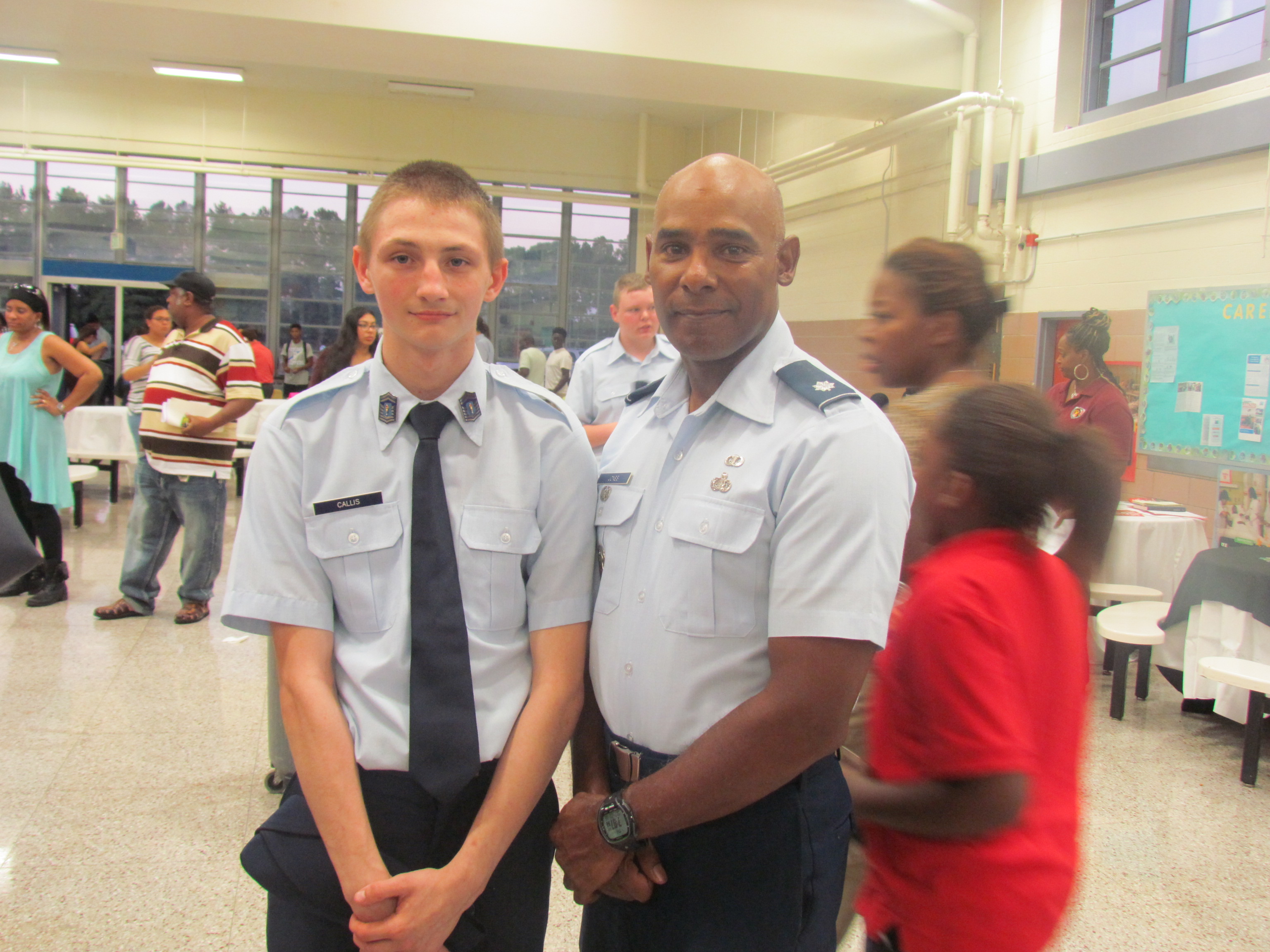
One group that attended the Community Fair was Patterson’s AFJROTC program. Cadets who attended the event helped out with setting up and seating visitors. “I was standing outside, greeting people, giving them their tickets for their sheets”, explained Abdullah, one of the cadets. Teachers, students and family members came together to make the Community Fair a success.

This year marked the 6th consecutive year that there has been a community fair event at Patterson. Ms. O’Brien and Mr. Alukwu started the event in 2011. “It was an idea that Mr. Alukwu and I came up with the summer before Mr. Benton became the principal”, recalled Ms. O’Brien. It takes planning, organization, and thought to come up with an idea like a school community fair and make it work. This year’s event was no exception.


Students create puzzle cubes

Students try to put together the puzzle cubes their classmates created (Photo: Ms. Varela)

By Leonard Fields,

Editor’s Note: Ms. Varela’s engineering class made puzzle cubes (three dimensional puzzles) for other students and staff members to solve. This is one student’s reflection on the project.

Unit 4 was mostly about a box that my classmates and I had to create. The hardest part about the box creation was the start. When I had to pick on piece and begin from there. My teacher was a big help for me, she helped me with my brainstorming and my creations of my box but she did not create the box for me. She made sure I knew what I was doing. My classmates where a big help, they helped me understand everything also, when I was confused and my teacher was already helping someone, someone that knew would explain it for me. I didn’t really realize how much my teacher helped me understand everything until we had visitors to come and test out our puzzle cubes, and everyone was struggling to put my puzzle together.

One thing that runs in my family is creativity. So when I had a chance to use my creativity I was determined to make it the best one in the class. My determination level rose when I realized how much fun this could be for me, and how much it could help me understand better.

The brainstorming was a good part for me, it took me a long time to brainstorm the rest of my cube. To tell the truth my time management was a little bit bad. If my time management was better I would have finished a lot earlier, when I was almost done I stayed after school to finish my work.

When I was presenting my puzzle and the work I completed on the computer I had to be professional I couldn’t be playing around because when I get older I’m going to have to be a professional and be mature. It’s not easy to talk professionally about something as complicated as this. I thought it was going to be easy but in all honesty it really wasn’t, I thought it was going be easy because I understood the work I just couldn’t explain it fully, but I did it eventually.

The thinking outside the box wasn’t as hard as I thought it would be, like I said starting off my box was arguably the hardest part of my project. So when I had to think of a couple more pieces to create a 3×3 box wasn’t that hard. The easiest part of creating my pieces was the measuring and putting it all together for the final piece.

This project helped me understand the ipt files, the iam files, the idw files, and the ipn files. When we first started working with inventor pro 2015 it wasn’t easy for me. Now that I have experience doing all 4 of the files, is became easy.

When everyone was struggling to put my box together that was a sign of achievement for me. All my work payed off. My teacher, my classmates, myself I don’t just give the credit to myself I give it to everyone that helped me complete this.

Lockheed Martin talks to students about engineering

Students pay close attention to Lockheed Martin presentation (Photo: Patterson Press)

By Alex Hunt,

The Robotics Club brought in an engineering contractor for the government to talk to students about pursuing a careen in engineering and technology. The guest speaker came from Lockheed Martin, a Maryland-based company that is making the F-35 Lightning II  airplane for the Air Force.

The U.S. government has hired Lockheed Martin to produce a wide range of aerospace and defense aircraft, ground vehicles, missiles, guided weapons, missile defense systems, naval systems, radar  systems, sensors, situational awareness tactical communications, training and logistics, and safety management unmanned systems. Lockheed Martin also makes non-military high tech devices, such as a “food printer” that uses food coloring and other materials to make food.

“The Robotics Program at Patterson is great friends with Lockheed Martin”, explained Ms. Ball, an engineering teacher and the faculty advisor for the Robotics Club. “Lockheed Martin helps kids to become interested in the engineering career and also give kids a main set of ideas of what to say and do when you become an adult engineer.”

According to Ms. Ball, Patterson students benefit greatly from the encouragement and knowledge about real-world education and careers given by companies like Lockheed Martin.

Patterson hosts 4th annual community fair

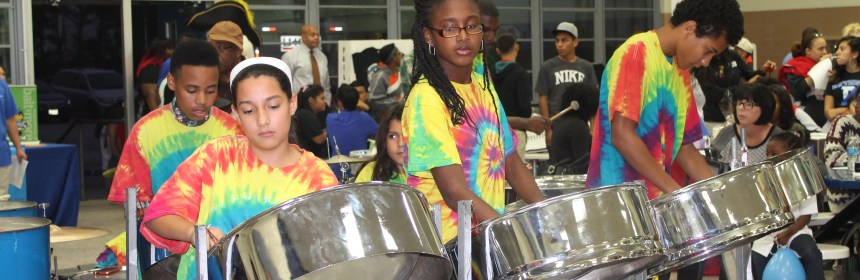
A youth percussion band performs at the Community Fair (Photo: Patterson Press)

by Xavier Williams,

Patterson High School held it’s 4th annual community fair and back to school night inside the school’s cafeteria on September 25 from 5:30 to 8:00. It was held to motivate students to help and support their school and get help from their community.

At the community fair there were different organizations sharing some services to students so they can help them be successful in the future. So many great colleges, companies and non-profit organizations came like, Johns Hopkins Bayview Medical Center,  Morgan State University, Towson University and the University of Baltimore, New York life insurance and the Real Food Farm. One of the people that worked at the University of  Baltimore explained that they had come to the fair to “[recruit] students to come to the university and to inspire them to go to college”. There were more people from different groups that participated in the community fair, including a United States Marine who said he is looking forward to speaking with male and female students to help them become successful.

There was a belly dancer, flamenco dancer and hip hop dancers as well. The hip hop dancers were male students from Patterson who did an amazing  job performing at the fair.

I asked Mr.Benton,  “After seeing the laughter and happiness here at the community fair do you think that Patterson High School will be a top 500 school?” and he said he always believed Patterson High School would be a top 500 school and that the school strives for greatness.

I agree with that 100 hundred percent because we do strive for greatness and after seeing how great the fair turn out to be i’m just really proud of my school.this years community fair turned out to be a blast. Everyone enjoyed it, they danced they laughed and they ate. It felt like they were happy to be there and they had a great time. People who were at the fair expressed that next year’s fair will be even bigger.

CHECK BACK LATER FOR MORE PHOTOS (OR SEE THEM ON OUR FACEBOOK PAGE NOW)!

Robotics club gears up for competition

Students build a robotic vehicle (Photo: Regina Bell)

By Stephanie Megginson,

Last year, our Patterson High School Robotics Club won the 2013 Hopkins Robotics Cup. After working with another school, Ms.Ball wanted Patterson to have  its own robotics club.

The robotics club hasn’t won a competition this year yet but their next competition is coming up this April at John Hopkins. They believe they will win 1st place again this year.

Every Thursday after school students meet in Ms.Ball’s room to participate in Robotics Club. All students are welcome to join.

Students choose to join the robotics club because it’s exciting, they get to use their own imagination, problem solving, teamwork and innovation skills. They get to go to different cities and states to compete against other schools.

Students participate in Chesapeake Bay Service Learning Experience

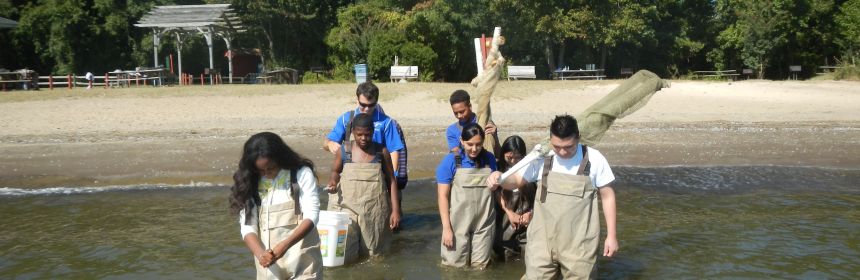
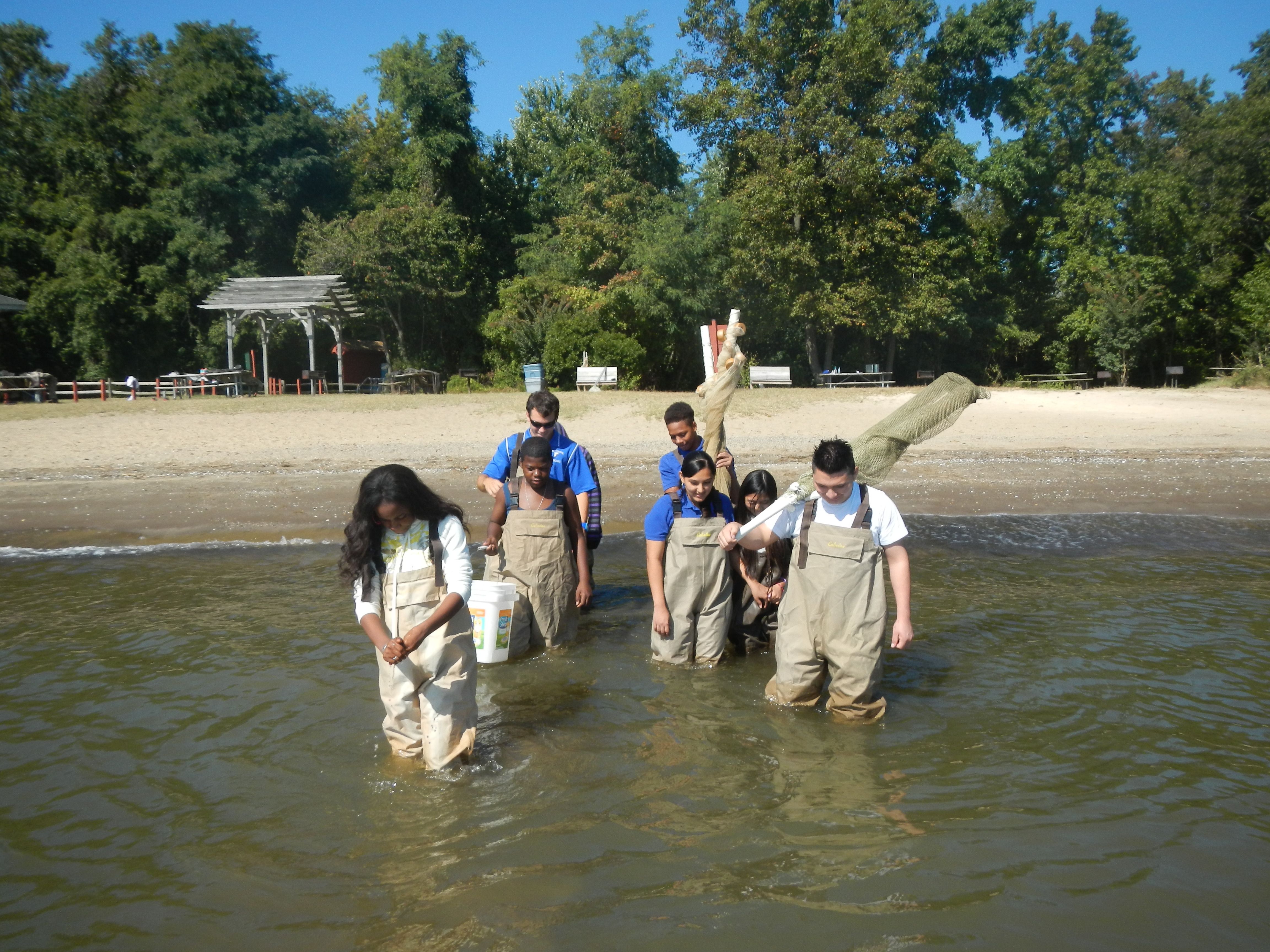
Patterson students net fish in the Chesapeake Bay (Photo: Ms. Warzer)

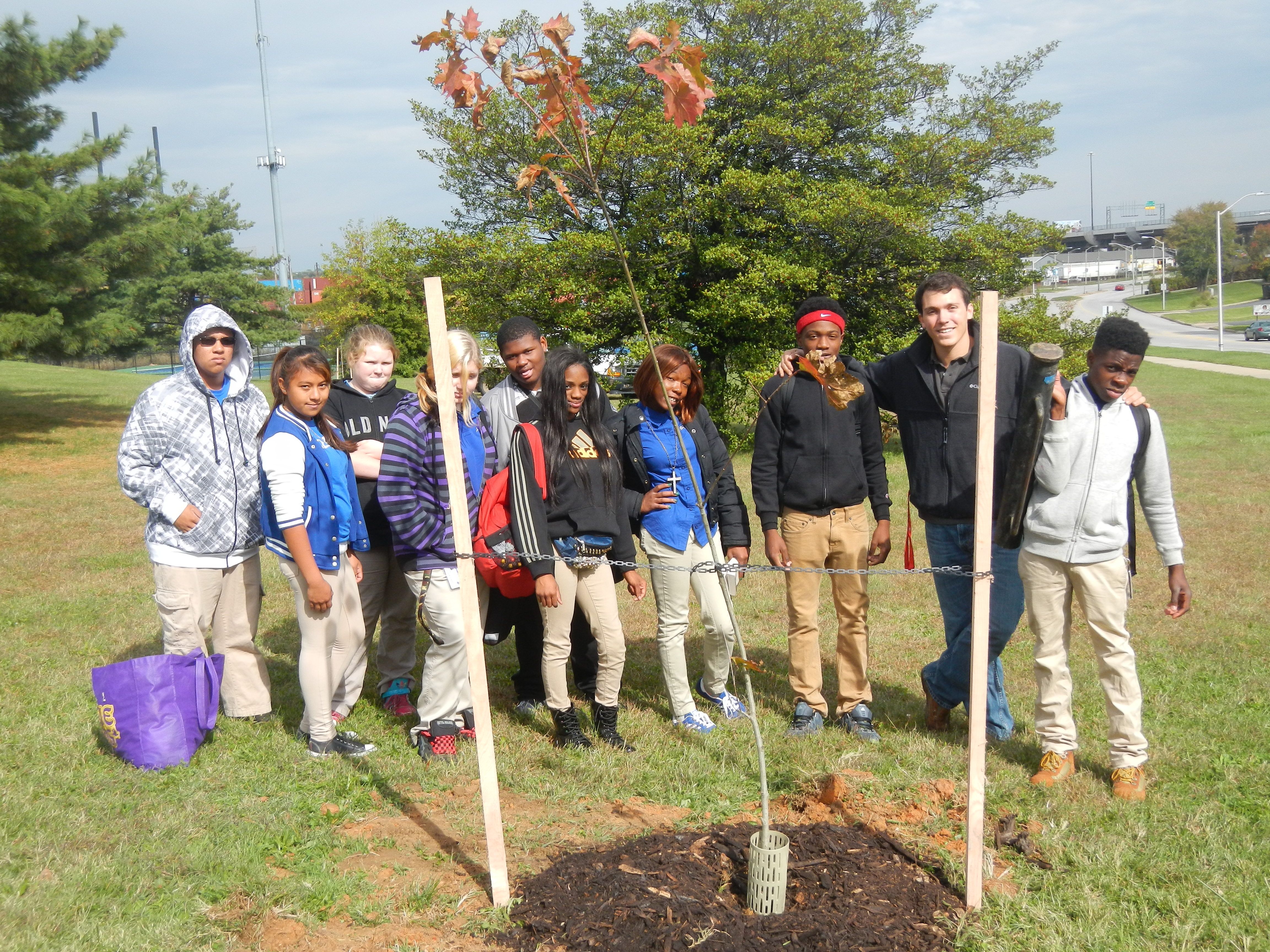
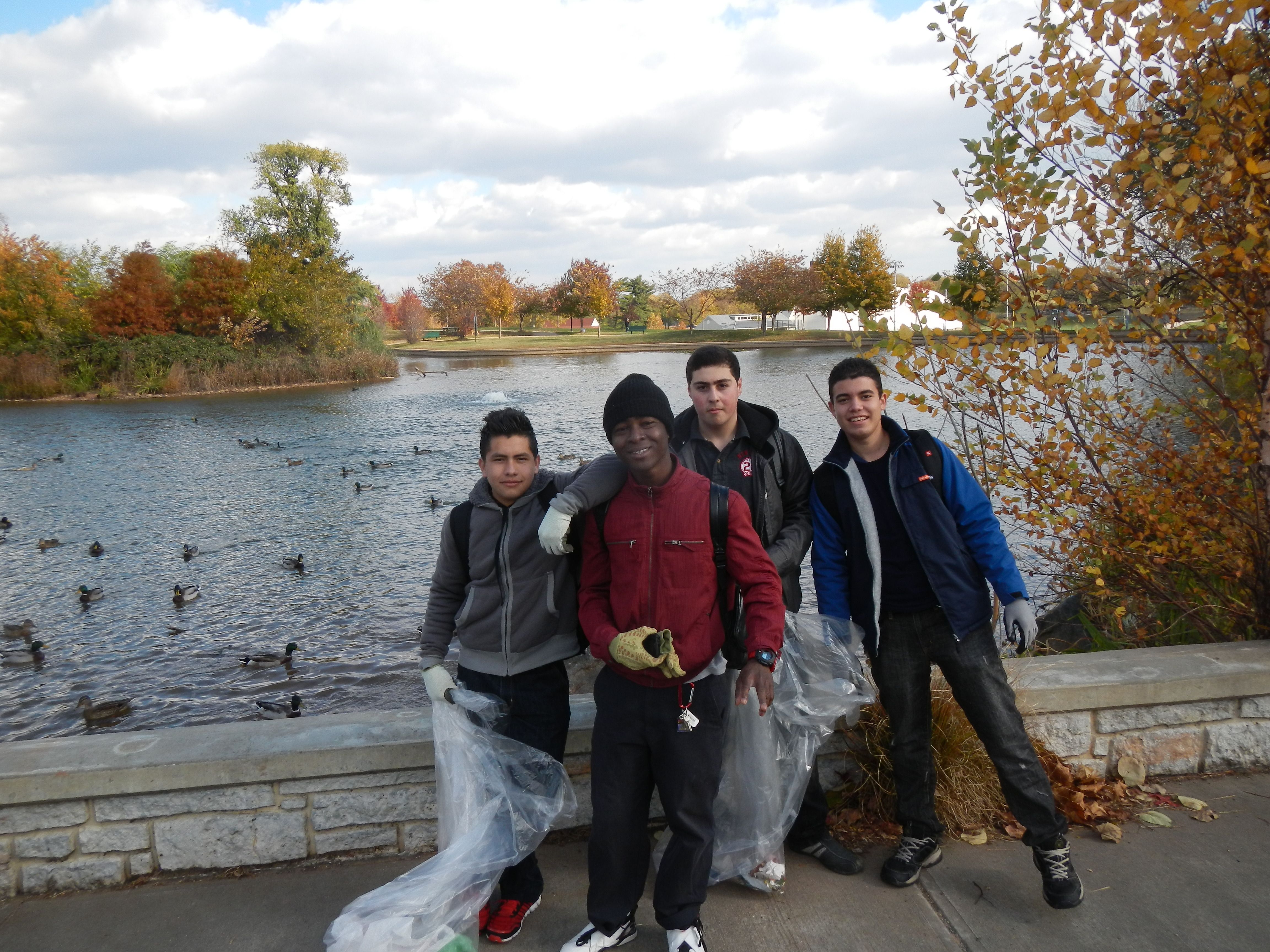
Patterson students participated in a Chesapeake Bay Watershed project with the Patterson Park Audubon Center during this past fall.

Chris Homeister, the Experience Educator with the Audubon Center, had this to say about working with Patterson students, “They showed great interest in the presentation and the accompanying activities.”

Two classes participated in the project: Mr. Hopp’s Environmental Science students and Mrs. Warzer’s ESOL students. First, the classes welcomed the guest speaker, Chris Homeister, into their rooms. They listened to a presentation on the Chesapeake Bay, and how humans can impact the Bay, both positively and negatively. Then, each class joined Mr. Homeister for a day on the Chesapeake Bay. There, the students used fishing rods, reels and nets to find and catch various species of fish. Students placed the fish in small aquariums and identified the species using Fish I.D. sheets. They also conducted water quality testing.

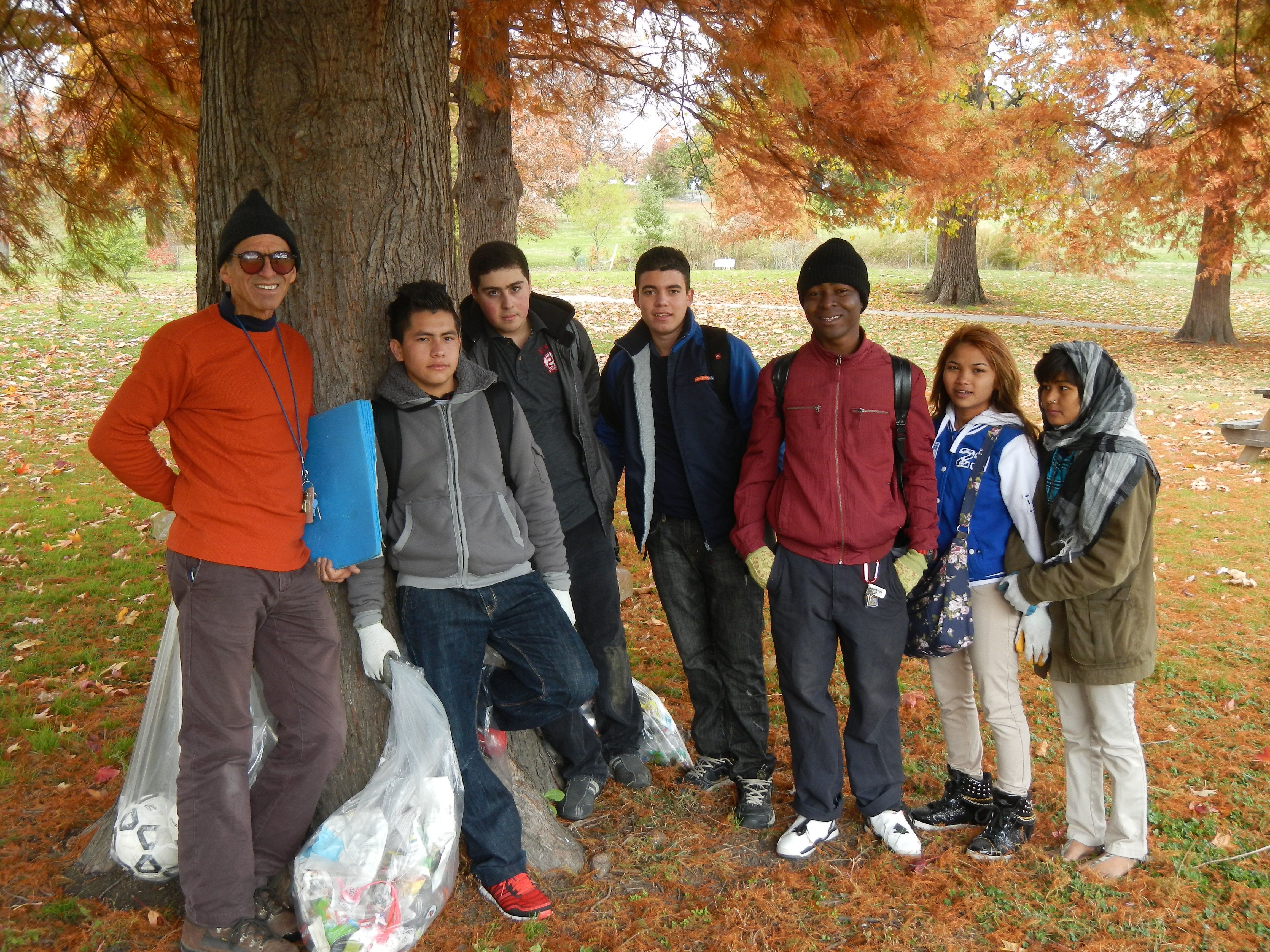
Later, each class joined Mr. Homeister in an environmental stewardship project. Mr. Hopp’s students planted trees on Patterson’s school grounds on October 23, 2013. Mrs. Warzer’s students went to Patterson Park and cleaned up trash on November 8, 2013. The students participated with great energy and were very helpful. The students made picking up trash into a “game”, where a student would earn “a point” for each piece of trash that they picked up.

“Each time someone spotted a piece of trash, all the boys and a few girls would sprint to the trash. It was fun to watch,” said Mr. Homeister.

Both Mrs. Warzer and Mr. Hopp were very pleased with the learning experience.

“The Audubon Watershed Experience was a true gift to my Environmental Science curriculum”, said Mr. Hopp. “Not only did my students learn by wading out in the waters and testing oxygen levels in the Bay, but they also made a positive impact on their own community’s environment. Ultimately, this experience has better connected our students with the gifts of the Chesapeake Bay by helping them develop advocacy leadership skills for their future.”

“ This was a terrific opportunity for our English Language learners to have a hands-on experience with the environment in their new home and learn the vocabulary and ideas related to environmental science”, explained Ms. Warzer. “We followed up by watching videos of water restoration projects in their home country regions, and having an environmental conference to discuss the projects as examples of the scientific method in action. The students’ response was truly ‘awesome’!”

The students were also very grateful for this unique experience.

“ I appreciate you for helping us to understand why the leaves are falling down and the colors are changing”, Yamen Khalil wrote in a thank you letter to the Audubon Society. “I liked learning about how we can be sure if the water is dirty or if it didn’t have enough oxygen. I am glad we helped to make Patterson Park clean.”

“ I learned to take care of the environment- not polluting the rivers, lakes, and beaches and taking care of the animals”, added Rocio Valdez. “If we take care of everything around us, it is going to be better for ourselves, our families and for the future.”

Finally, Chris Homeister had one more comment to add, “It was an honor to work with your staff and students this semester. I hope we can partner up again in the future. Take care and thanks for supporting our partnership with Patterson High School.”


(Photos: Ms. Warzer)

« Older Entries Recent Entries »